
Four Best Non-Toxic Kitchen Utensils
 Written by Irina Webb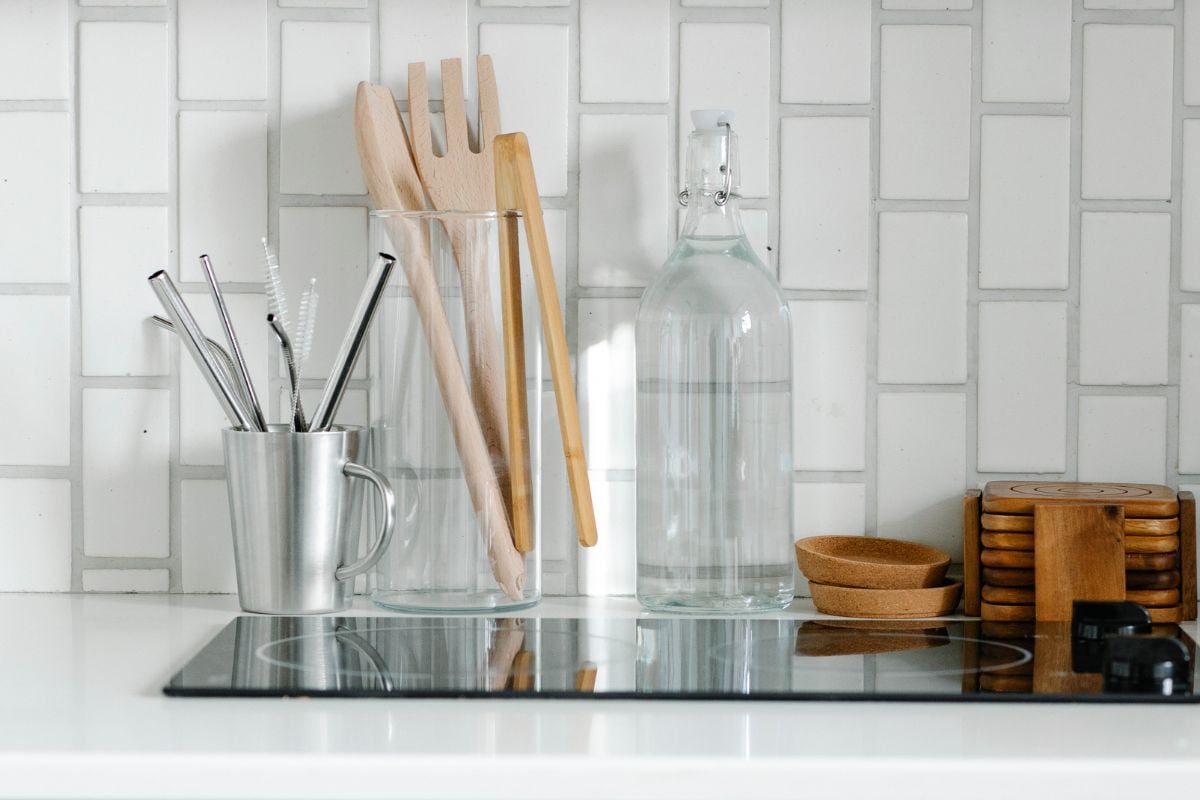
When I started my journey toward a healthier, low-tox lifestyle over a decade ago, my kitchen was one of the places I overhauled. It made sense—utensils are the tools we use every single day, touching the food we feed our families. Yet, so many of the popular options were made with questionable materials that could leach into food, wear down quickly, or just plain smell like harsh chemicals.
Choosing the best non-toxic kitchen utensils isn’t just about avoiding harmful chemicals. It’s also about selecting high quality tools that make cooking more enjoyable and more efficient. The right kitchen utensils make a difference in your day-to-day experience, whether you’re scrambling eggs or prepping dinner. And when those utensils are also safe and durable, you can cook with the peace of mind that you’re protecting your family’s health.
In this post, I’m sharing the best non-toxic kitchen utensils I use and trust so you can skip the trial and error. These are safer options that truly perform, are easy to clean, and will last for years with proper care.
Best Non-Toxic Kitchen Utensils
Thankfully, safer alternatives to plastic utensils are easier to find than ever. If you’re cooking healthy meals, it only makes sense to use kitchen tools that support, not sabotage, your efforts. The reality is many common utensils potentially contain materials like:
- plasticizers (e.g., phthalates) (source)
- bisphenols (BPA, BPS, etc.) (source)
- contaminants from recycled plastic (source)
- concerning adhesives or glues in layered composites (source and source).
Some of these compounds are known to act as endocrine disruptors, while others haven’t been tested enough for long-term safety. And since these materials often come in direct contact with hot foods, they can migrate into your meals. Learn more about why I avoid plastic by reading my blog posts on Plastic Plates and Plastic Water Bottles.
Choosing non-toxic kitchen tools means using materials that are stable, inert, and free from these problematic substances. It also means investing in utensils that will last, saving you money and reducing waste over time.
What Are The Least Toxic Materials For Cooking Utensils?
What I look for when I evaluate the safety of cooking utensils are food-grade materials that:
- don’t leach into food
- withstand daily use, and
- don’t degrade under heat, scrubbing, or time.
After years of research and testing, the best options I’ve found include:
- uncoated stainless steel
- solid wood
- glass, and
- silicone.
Uncoated Stainless Steel
Firstly, uncoated food-grade stainless steel (18/8 and 18/10) is my top recommendation. It’s highly resistant to corrosion, doesn’t react with acidic foods, and holds up incredibly well with proper care. I use stainless steel spatulas, ladles, and whisks nearly every day, and they’ve never chipped, warped, or transferred any off-flavors into my meals. Most are also dishwasher safe, making cleanup a breeze.
Solid Wood (Not Bamboo Or Composites)
Secondly, a solid maple or olive wood spatula might not look high-tech, but don’t underestimate the power of traditional materials. When made from a single piece of wood and left unfinished or treated only with food-grade plant oil, not petroleum-based mineral oil, wooden utensils are durable. They’re gentle on cookware and frying pans alike, and with a little maintenance, like regular oiling and hand-washing—they’ll last for decades. Read my blog post on Best Solid Wood Cutting Boards.
Glass
Thirdly, though not typically used for kitchen utensils specifically, glass is one of the most inert and stable materials you can use in the kitchen. I rely on borosilicate or soda-lime glass for mixing bowls and measuring cups. It doesn’t absorb odors, stains, or leach into food—even when exposed to acidic or oily ingredients. Glass is also dishwasher safe and an excellent alternative to plastic when it comes to prep work.
Silicone (Reserved Use)
Lastly, silicone has a place in my kitchen, though I reserve it either for cool-temperature tasks or when the contact with food is very short. Over the years, I’ve followed research closely, including a 2017 Norwegian study highlighting how heated food-grade silicone can release cyclic siloxanes into food.
The researchers speculated that siloxane migration may be dependent on how completely the silicone products were cured during manufacturing. Unfortunately, this is not a factor that consumers can read on a label or inquire with customer service teams. Because of this, I use food-grade silicone spatulas just for scraping bowls, prepping freezer snacks, or flipping omelets very quickly. When food contact is brief, leaching is likely minimal.
Related: Is Silicone Toxic?

What Cooking Utensils Are Non-Toxic?
Let’s take a closer look at the specific non-toxic cooking utensils I use—and why I chose them.
Stainless Steel Utensils
To begin, my stainless steel cooking utensils include everything from slotted spoons to tongs and whisks. I look for 18/8 or 18/10 stainless steel and avoid utensils with plastic or rubberized handles. With proper care (hand-washing when needed and drying thoroughly), they can last a lifetime and won’t rust, flake, or degrade over time. They’re an essential part of my kitchen tool collection for everything from flipping pancakes to stirring soups.
Suggestions: Visit my Amazon Storefront for selected high quality stainless steel individual tools as well as cooking utensil sets. I have had great experience with my All-Clad products.
Solid Wood Spoons And Spatulas
Next, I love my olive wood spoons and utensils. Unlike bamboo or laminated utensils, these are carved from a single block of wood. In contrast, bamboo and composite products are made using adhesives or resins, well known for containing toxins like melamine, a formaldehyde resin (source and source).
Instead, high quality wooden utensils are incredibly durable and feel warm and natural in the hand. Just be sure to dry them immediately after washing and oil them periodically to keep them from drying out.
Suggestions: Visit my Amazon Storefront for several options of wooden utensils, including absolutely stunning options made from olive wood. Some of my team members have even given them away as gifts, and they hold up beautifully.
Make sure your wooden utensils are free of potentially harmful coatings or unknown adhesives (such as with bamboo utensils). When I contacted bamboo product sellers, it was rare to find any information on the adhesives used, so in an abundance of caution, I would steer clear of bamboo.

Glass Measuring Cups And Mixing Bowls
Additionally, brands like Pyrex and Anchor Hocking make trusted glass products that are BPA free, easy to clean, and safe for both hot and cold prep. I use mine for everything from measuring out liquids to mixing up marinades and batters. They’re a total workhorse and a fantastic alternative to plastic utensils for prep work.
Suggestions: Visit my Amazon Storefront to find a variety of Pyrex Glass and Anchor Hocking Glass measuring cups and mixing bowls. By the way, I recommend their glass products for drinkware too, so take a look while you are there! Unlike plastic, these can last a lifetime.
Silicone Spatulas (Limited Use)
Finally, for scraping out cold doughs, cleaning smoothie blender jars, or folding whipped cream, I keep a set of food-grade silicone spatulas on hand. I make sure they’re labeled ‘BPA free’ and made from high-quality materials, and I always keep them far from the stovetop or oven. They’re flexible, easy to clean, and super useful—as long as you use them the right way.
While silicone can be controversial when it comes to heat, I do use silicone spatulas mostly for cold or room-temperature tasks or flipping omelets very quickly. Just be sure to discard them if they become cracked or chipped.
Suggestions: Visit my Amazon Storefront for some silicone spatulas options.
Download The Free Guide!
5 Powerful Steps To A Non-Toxic Home
Join our informed consumer community and get our free guide the “5 Powerful Steps To A Non-Toxic Home”.
Which Is Safer: Nylon Or Silicone Cooking Utensils?
This is a common question I hear, and here’s the short answer: I avoid both for heat-based cooking. While silicone is often considered a safer option than nylon, neither material is ideal for high heat. Nylon utensils can begin to break down and release harmful chemicals even at moderate cooking temperatures. And while silicone performs better, studies, like the one from the Norwegian Scientific Committee, have shown that it can leach into food under high heat.
Instead, I stick with stainless steel and hardwood for cooking and reserve silicone for cold-use or short-contact only. It’s all about choosing the right tool for the job.
What about you? Have you swapped out your plastic utensils for safer materials? I’d love to hear which changes you’ve made in your kitchen—leave a comment and share your experience!
Conclusion: What Are The Best Non-Toxic Kitchen Utensils?
The Best Non-Toxic Kitchen Utensils Are Made From Stainless Steel, Wood, And Glass. Silicone Is Recommended In Unheated Applications.
In conclusion, creating a non-toxic kitchen doesn’t require a complete overhaul overnight. For me, it started with a few key swaps—switching out old black plastic spoons for stainless steel, retiring non-stick cookware, and finding joy in a handcrafted wood spatula.When cared for properly, these materials are effective, safer, and more durable than plastic alternatives.
Over time, these changes added up to a space where I feel confident about the tools I use daily. With just a bit of proper care, the right kitchen utensils can serve your family well for years, without exposing you to harmful chemicals or adding to the plastic waste stream.
If you’re just getting started, I recommend beginning with the essentials. Then build from there, knowing you’re making your kitchen safer and more sustainable with each thoughtful choice. Check out my Amazon Storefront for safe options of kitchenware and utensils.
For more information on safe cookware and other non-toxic kitchen items, check out the I Read Labels For You blog. I’ve covered most cookware materials, including Clay Cookware and Ceramic Cookware. You will also find the IRLFY approved products on my Shop page. I am confident you will find safe and effective products you will love. And if you’d like to unlock premium offers, unique resources, and inspiring tips to support your wellness journey—opt to get my free emails!
Download The Free Guide!
5 Powerful Steps To A Non-Toxic Home
Join our informed consumer community and get our free guide the “5 Powerful Steps To A Non-Toxic Home”.

Before commenting, please read our Comment Policy.