
Is Silicone Toxic?
 Written by Irina Webb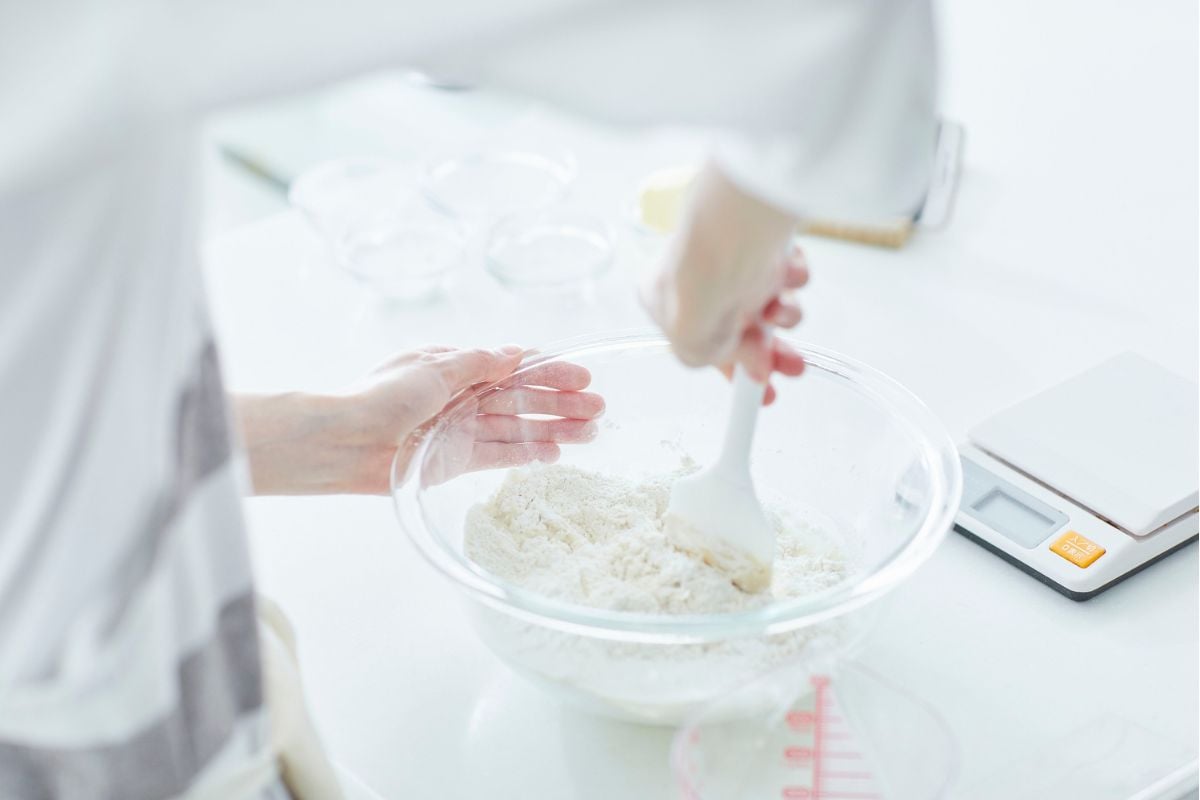
Silicone shows up often in the products we use every day. You’ll find it in kitchen utensils, oven mitts, food storage containers, baby products, cosmetics, and even advanced medical devices. Because it feels silky, looks sleek, and stands up to extreme temperatures, it has earned a reputation as one of the most reliable materials in the home. Yet, despite its popularity, many health-conscious people still wonder: Is silicone toxic?
I’ve spent more than a decade researching product safety and ingredient science, and I know how important these questions are. After all, the products we use touch not only our health but also the well-being of our families. That’s why I want to take you beyond surface-level claims. Together, we’ll explore what silicone really is, how it behaves in different settings, where risks may show up, and when safer alternatives might make more sense.
Is Silicone Toxic?
A quick answer to this question is: it depends. You’ll find a wide range of silicone products on the market, and not all are made with the same standards. By the end of this post, you’ll know the basics of what silicone is made of, how regulators like the Food and Drug Administration (FDA) and Health Canada view its safety, what products usually contain it, and which eco-friendly alternatives you might want to consider.
The goal here is not to make you fearful; it’s to give you honest, low-stress information so you can feel confident about what comes into contact with your food, your skin, and your home.
What Is Silicone & What Is Silicone Made Of?
To begin with, silicone is a synthetic material often described as a cross between synthetic rubber and plastic polymer. At its core, silicone has a silicon oxygen backbone called siloxane, which gives it its well-known flexibility and heat-resistant nature. This unique chemistry is why silicone can bend without breaking, withstand extreme temperatures, and perform well in products that require durability (source and source).
Originally, industries valued silicone for extreme environments where materials didn’t readily react with food or chemicals. Over time, manufacturers realized its benefits for daily life too. Today, you’ll see food-grade silicone in cookware like spatulas, silicone baking mats, and reusable muffin cups. You’ll also find medical-grade silicone in devices that go inside the body, like tubing or implants, because this type of silicone is designed for maximum safety (source and source).

Is Silicone Bad For You?
The big question is – should you worry about silicone? Let’s take a look at what experts say.
Regulatory Oversight
To start with, both Health Canada and the U.S. Food and Drug Administration (FDA) have reviewed common silicone compounds and generally found them safe at everyday exposure levels in normal use situations. Furthermore, based on my personal research, the data supports that silicone used at room temperature or colder is quite safe. However, research is still under way to determine the safety of silicone use in high-heat situations, which we will cover next (source, source, source, and source).
Heat & Food Contact
Further, a 2022 study in Europe tested silicone baking molds using the same protocols applied to plastic food contact materials. The researchers found that 23% of the products released three siloxanes already classified as “substances of very high concern,” and five products emitted especially high levels of volatile compounds. While many molds did not show these issues, there’s no way for shoppers to tell the difference since current labeling does not usually disclose manufacturing methods.
Even within the European Union, where food contact materials are generally regulated, there are still limited rules specific to silicone. EU law requires silicones used in contact with food to be safe and inert, but, unlike plastics, no harmonized testing standards exist. In fact, the European Parliament noted that this lack of regulation undermines both public health and consumer trust.
These findings highlight an important gap: we still know relatively little about the mix of chemicals that may migrate from silicone during high temperature use, or their long-term health effects. Because there are links for some siloxanes to endocrine disruption and reproductive risks, there is a clear need for more research and better transparency.
For now, I recommend avoiding silicone in prolonged heated applications such as baking trays, molds, and silicone cupcake liners. If you bake often, you may also like my guide to non-toxic baking sheets for safer high-heat alternatives (source and source).
Manufacturing Quality
Finally, silicone quality plays a big role. For instance, low-grade silicone may not be fully cured, which increases the risk for chemical migration, while high-quality, platinum-cured medical-grade silicone is expected to perform better. While not perfect, when you need silicone, your best bet is to look for food-grade silicone certifications, such as compliance with the Food and Drug Administration requirements. As for medical-grade silicone, look for brands compliant with ISO 10993-1 or USP Class VI (source, source, source, source, and source).
Download The Free Guide!
5 Powerful Steps To A Non-Toxic Home
Join our informed consumer community and get our free guide the “5 Powerful Steps To A Non-Toxic Home”.
What Products Contain Silicone?
Silicone has become such a versatile material that you’ll find it in multiple categories of your home and personal life:
- Food Contact Materials: Think silicone baking mats, muffin cups, spatulas, funnels, oven mitts, and baby products such as bottle nipples. As stated above, I recommend avoiding silicone in bakeware products and kids’ plates, as even their use in microwaves has potential for chemical migration (source and source).
- Medical Devices: Because it doesn’t react poorly with body tissues, medical-grade silicone is the material for many a medical device – from tubing to implants to syringes (source). However, I do not recommend breast implants, even silicone ones. To learn more about my experience, read Can Breast Implants Cause Autoimmune Diseases? – My Confession.

What Are Eco-Friendly Silicone Alternatives?
If you’d rather minimize your family’s contact with silicone, there are excellent alternatives that can ease your concerns.
Uncoated Stainless Steel
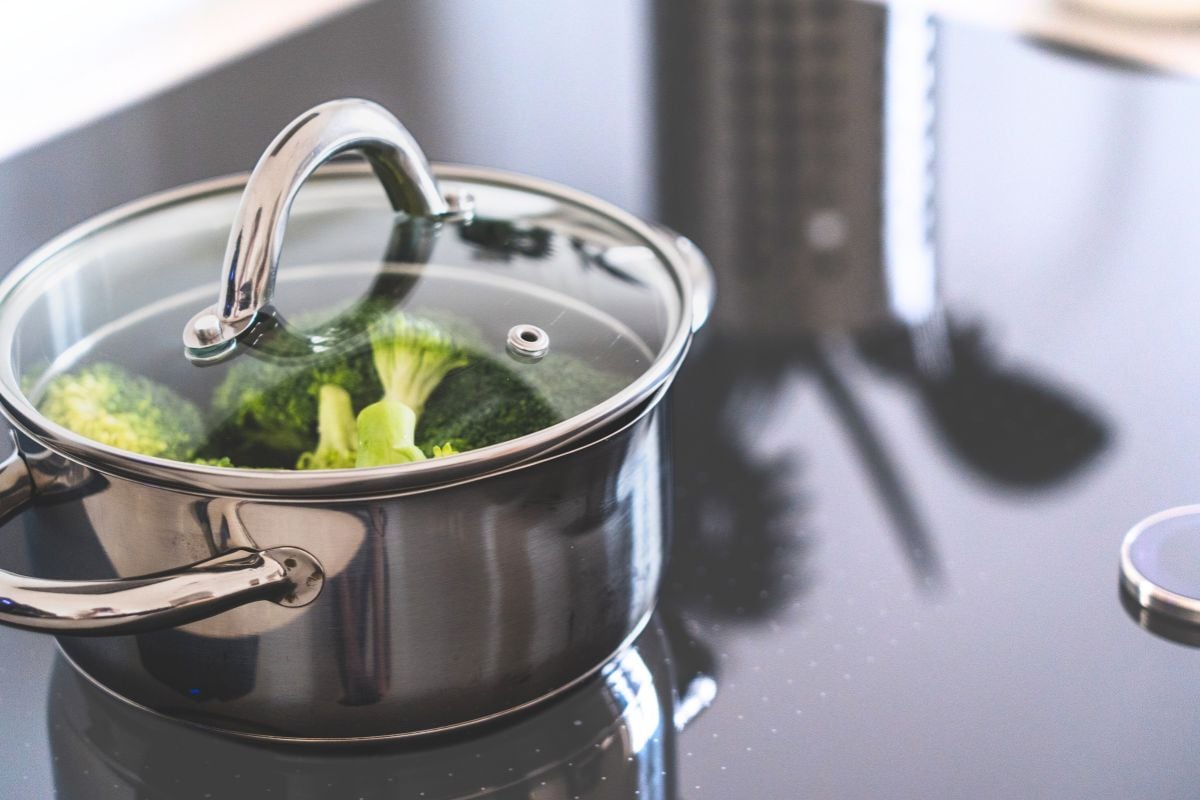
First, stainless steel has withstood the test of time. In short, it is safe, durable, and generally non-reactive with food. It’s great for wide spatulas, ladles, whisks, bakeware, and cookware. For drinks, I also recommend looking into the safest water bottles to cut down on plastic exposure.
Glass
Second, borosilicate or soda-lime glass is stable, non-porous, and ideal for storage containers, baking dishes, bowls, or measuring cups. While not flexible like silicone, it’s incredibly safe and doesn’t absorb odors or stains.
Natural Hair & Personal Care Alternatives
Last, if you want to avoid silicone in spray personal care and hair products where inhalation could be a minor concern, many natural product lines use plant oils and botanical extracts instead. These ingredients can smooth, hydrate, and protect hair without relying on silicone.
For example, my go-to styling product is Pure Haven’s Heat Protectant which is completely silicone-free and still delivers excellent results.
Conclusion: Is Silicone Toxic?
Silicone Is Generally Safe When Used In Cold Or Room Temperature Applications. High-Heat Exposure May Increase The Risk Of Chemical Leaching, Making Stainless Steel Or Glass Safer Choices.
To sum up, most silicone products, especially when made with food-grade or medical-grade silicone, pose little risk to your health when used under normal conditions. However, not every type of silicone is equal, and low-quality products may transfer unwanted chemicals into food, especially under extreme temperatures.
The safest approach is to use silicone wisely—for tasks where its flexibility and short-term heat-resistant properties shine, such as oven mitts. However, opt for alternatives like stainless steel or glass for prolonged contact with food at high temperatures.
At the end of the day, knowledge empowers you. By understanding silicone safety, choosing higher-quality materials, and exploring eco-friendly alternatives in both your kitchen and your beauty routine, you can protect your family’s health without stress or overwhelm.
For further peace of mind, remember to browse the I Read Labels For You blog for educational information on product ingredients and healthy living. Also, visit my non-toxic product shop, check out my e-books and services and unlock premium offers, unique resources, and inspiring tips to support your wellness journey—just by getting my free emails!
Download The Free Guide!
5 Powerful Steps To A Non-Toxic Home
Join our informed consumer community and get our free guide the “5 Powerful Steps To A Non-Toxic Home”.




Before commenting, please read our Comment Policy.