
Are Silicone Kitchen Utensils Safe?
 Written by Irina Webb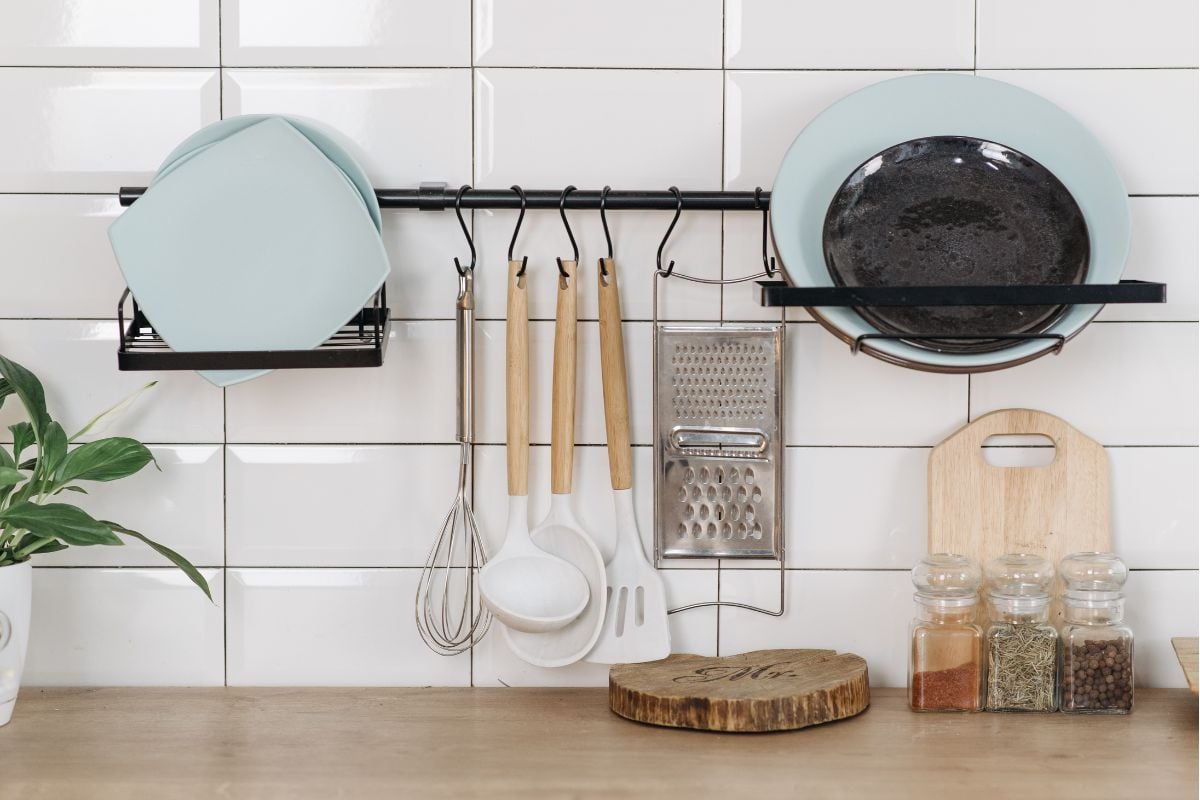
As I’ve worked to overcome autoimmune conditions like Hashimoto’s, cooking from home has become even more important to me, allowing me to control not only what I eat but also the materials that come into contact with my food.
Over time, I’ve learned that the tools we use matter just as much as the ingredients themselves. After all, the wrong materials can quietly leach into food, especially under high heat, and that’s not something we want in our kitchens.
In recent years, silicone kitchen tools seem to have grown in popularity—silicone spatulas, flexible baking mats, and colorful spoons that promise to handle high temperatures without melting or staining. They’re marketed as durable, dishwasher safe, and BPA-free, which sounds ideal for busy home cooks. But are silicone kitchen utensils really safe? In this post, you will find the answer to this question and more.
Are Silicone Kitchen Utensils Safe?
Generally speaking, many people choose silicone utensils because they are flexible and heat resistant. Additionally, they are gentle on cookware surfaces, unlike metal utensils that may scratch coated pans.
However, not all silicone is created equal. Furthermore, how you use silicone determines how safe it truly is. In the following sections, we’ll explore what silicone utensils are, what they’re made of, how they compare to plastic or stainless steel, how to select high-quality options for your kitchen, and when it’s safe to use them.
What Are Silicone Utensils?
To start with, manufacturers create silicone utensils from a synthetic polymer that combines the flexibility of rubber with the structure of plastic. Typically, you’ll find them as spatulas, whisks, baking mats, a variety of spoons, and pot holders. Importantly, they bend easily without breaking, making them ideal for scraping bowls or folding delicate ingredients.
Moreover, silicone kitchen tools are microwave safe, dishwasher safe, and naturally heat resistant, which makes them seem practical for everyday cooking tasks. However, you control their safety by the way you use them in the kitchen.

What Are Silicone Kitchen Utensils Made Of?
Further, understanding what silicone is made of explains its unique properties. Thus, silicone utensils consist of silicon, oxygen, carbon, and hydrogen, forming a synthetic polymer that provides flexibility, durability, and heat resistance beyond that of traditional plastic. Consequently, they can handle moderately high cooking temperatures.
Importantly, you will hear about food-grade silicone and medical-grade silicone. This label typically indicates greater material stability. More specifically, the manufacturing and curing process directly impacts silicone’s stability. Manufacturers cure silicone using different methods, but if they don’t fully cure it, chemical migration under heat increases (source).
However, while these labels should indicate a high-quality product, it is difficult for consumers to verify if a company’s claims are accurate. Sadly, without legislation to prohibit misleading phrases, no regulatory body prevents companies from releasing falsely labeled products.
Even then, researchers continue to study how silicone behaves under different temperatures and with various foods. In my opinion, there are enough publications on silicone chemical migration to warrant caution regarding silicone in the kitchen, and I will explain that next.
Download The Free Guide!
5 Powerful Steps To A Non-Toxic Home
Join our informed consumer community and get our free guide the “5 Powerful Steps To A Non-Toxic Home”.
How Safe Are Silicone Kitchen Utensils?
Now, let’s break down the main factors that determine how safe silicone utensils really are.
Temperature Matters
First, silicone’s heat tolerance makes it appealing to consumers. Many silicone utensils withstand temperatures up to 450°F without melting. While this is alluring, product labels do not disclose that extended exposure to high heat increases the risk of chemical migration.
As I explain in my blog post on Silicone Toxicity, a prominent European study discovered that some silicone baking products released chemicals classified as “substances of very high concern” (SVHC), and five products emitted especially high levels of volatile compounds. So far, three specific siloxanes have been classified as SVHC because they are persistent in the environment and raise concerns for their potential endocrine-disrupting and reproductive toxicity effects.
Therefore, I suggest avoiding silicone bakeware or utensils for use around heat. With that said, brief exposures to heat – such as flipping an omelet – should be fine. However, I don’t recommend utensils such as silicone stirring spoons, ladles, and other tools with the potential to be left sitting in hot foods. Instead, opt for more robustly researched materials for utensils and Safe Baking Sheets when cooking at very high temperatures.
Quality Is A Factor
Second, the quality of silicone plays a critical role. Low-grade silicone often contains fillers or is poorly cured, while high-quality, food-grade silicone remains more stable and non-toxic.
Based on my research, platinum-cured, food-grade, or medical-grade silicone is the most stable, but we cannot rule out the possibility that even these options may leach compounds into foods at high temperatures. Furthermore, because no system verifies household silicone products before they reach the market, false advertising likely exists (source).
Comparison With Plastic & Stainless Steel
Next, compared to plastic utensils, silicone utensils resist melting, maintain their form, and are more durable over time. Nevertheless, stainless steel remains the safest choice for high-heat cooking due to its non-reactive nature and durability. Alternatively, solid wooden utensils, when hand-washed and periodically oiled, make for excellent kitchen utensils. To learn more about non-toxic wood conditioning oils, read my blog post Is Linseed Oil Food Safe?.
Ease Of Cleaning
Finally, on a positive note, cleaning silicone is simple. Keeping your kitchen clean and using durable materials prevents bacteria and germs from growing. Because silicone is naturally nonstick and dishwasher safe, most debris rinses away easily. However, similar to plastic, avoid abrasive scrubbers to prevent scratches that could trap food or oil over time.

What Are The Safest Silicone Cooking Utensils?
Silicone certainly has its place in my kitchen – away from heat. In my experience, there are many useful ways to use silicone in cool or room-temperature recipes. For mixing, cleaning out a dish, or preparing a dessert, I like to keep a few food-grade silicone tools on hand.
I look for ones labeled BPA-free and made from high-quality materials. If they start to crack or chip, it’s best to replace them.
You can find some of my favorite silicone spatulas in my Amazon Storefront.
Additionally, if you want alternatives that avoid silicone entirely, check out my guide to the Best Non Toxic Kitchen Utensils for safe stainless steel and wood options.
Conclusion: Are Silicone Kitchen Utensils Safe?
It Is Best To Reserve Silicone For Room-Temperature Or Cold Kitchen Tasks And, When Selecting Silicone Tools, Opt For BPA-Free, Food-Grade Utensils.
In conclusion, silicone can be a helpful material in the kitchen, but only when used correctly. Its stability depends on both the quality of the material and the way you use it, especially when it comes to heat exposure.
Research shows that under high temperatures, silicone may release volatile compounds, so it’s best to avoid using it for baking, stirring hot soups, or any prolonged contact with heat.
That said, high-quality, food-grade silicone can still be useful for cool or room-temperature tasks, such as preparing frosting, scraping out jars, or stirring dips. These are the moments when silicone’s flexibility and easy to clean nature shine without introducing unnecessary risks.
Ultimately, the safest approach is to reserve silicone for low-heat uses and rely on stainless steel, glass, or solid wood for cooking and baking. By understanding the strengths and limitations of each material, you can build a non-toxic kitchen that supports your health and your love of cooking.
For more practical guidance, browse the I Read Labels For You blog for the latest reviews and visit my IRLFY shop and Amazon shop for multiple options of non-toxic household and body products. For unique content, premium discounts, and motivation to help you on a healthy journey, get instant access to my free emails!
Download The Free Guide!
5 Powerful Steps To A Non-Toxic Home
Join our informed consumer community and get our free guide the “5 Powerful Steps To A Non-Toxic Home”.


Before commenting, please read our Comment Policy.