7 Sunscreens Without Oxybenzone
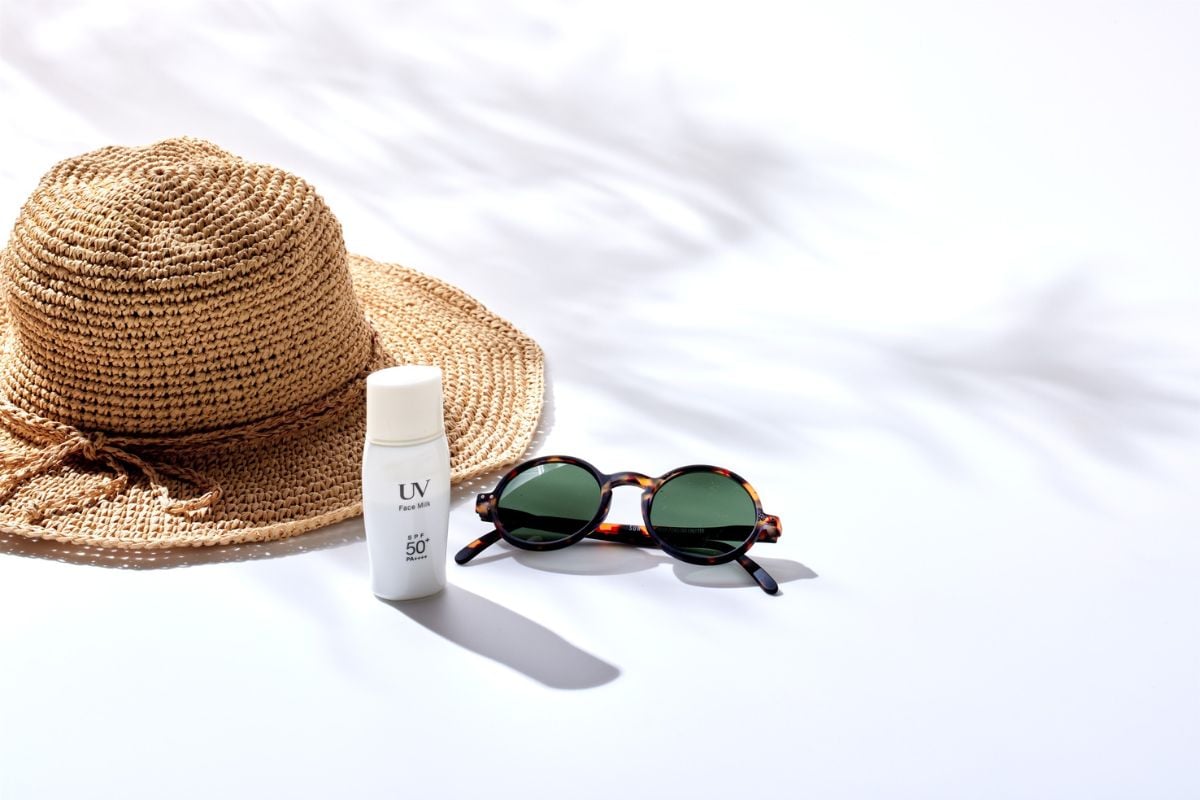
What’s more satisfying than stepping into the sunshine knowing your sunscreen is actually doing your skin—and your health—a favor? Sunscreen is one of the most important tools we have for preventing skin cancer, slowing visible aging, and guarding the skin against daily UV rays. Yet not all formulas are created equal. Some contain potentially harmful chemicals, including oxybenzone, which has raised concerns for both human health and environmental impact.
That’s why today, I’m sharing 7 sunscreens without oxybenzone—a curated list of safer options that still deliver excellent sun protection without the worries that come with oxybenzone.
7 Sunscreens Without Oxybenzone
In this guide, we’ll look at what oxybenzone actually is, why it’s controversial, and how you can choose alternatives that work for your skin type and offer reliable broad spectrum protection. My hope is that by understanding how oxybenzone functions, you’ll feel more empowered in choosing a sunscreen you truly trust. (You can also see my guide on What Ingredients To Avoid In Sunscreen.)
What Is Oxybenzone In Sunscreen?
To start with, oxybenzone (also known as benzophenone-3) is a chemical UV filter, introduced in the early 1960s to help protect skin during periods of intense sun exposure. While its primary purpose is sun protection, manufacturers quickly found additional uses for it. Today, oxybenzone appears not only in many conventional sunscreen formulas but also in a wide range of personal care items—including lotions, hair sprays, shampoos, lipsticks, and fragrances. Beyond cosmetics, it’s also added to industrial products such as inks, coatings, paints, and even certain packaging materials because of its UV-absorbing and stabilizing properties.
Further, there are three main types of exposure to oxybenzone. First is dermal exposure. It can occur through direct application of sunscreen and other personal care items to the skin, or through swimming in the water polluted with sunscreens. Second is oral exposure that can occur unintentionally through drinking water or from foods and beverages stored in UV-protected packaging. To clarify, oxybenzone can migrate into the contents, especially in items like beer or fermented drinks that require light-blocking containers. And third is inhalation as UV-filter chemicals have been detected in indoor air and household dust, likely due to shedding from skin, clothing, textiles, and treated materials (source).
All of this means that oxybenzone is far more than a sunscreen ingredient. It is a chemical we encounter daily, often without realizing it.

What Does Oxybenzone Do In Sunscreen?
As a synthetic chemical UV filter, oxybenzone absorbs UVA and UVB rays, converts them into heat, and helps prevent sunburn, photoaging, and long-term UV damage. Because it is highly effective at absorbing UV radiation, manufacturers often add it to formulas to boost sunscreen SPF—especially to SPF 50 products.
Frequently, you can see oxybenzone and octinoxate—another chemical UV filter—used in the same formula because the two absorb different parts of the UV spectrum. Together, they help a sunscreen meet broad-spectrum requirements.
However, this combination has become increasingly controversial. Both ingredients have been linked to environmental and health concerns, leading to bans in places like Hawaii and Key West, where protecting coral reefs is a priority. Additionally, the EU has placed stricter limits on oxybenzone concentrations and continues assessing both chemicals for endocrine-disrupting properties (source, source, source, and source).
True, protecting your skin from UV rays is important to prevent sunburn, photoaging, and even skin cancer. While applying sunscreen SPF regularly is one of the most effective ways to do that, you might want to avoid exposure to chemical UV filters, like oxybenzone and octinoxate.
Is Oxybenzone Safe?
In recent years, concerns about the safety of oxybenzone (benzophenone-3) have grown. As more research becomes available, several governments and scientific agencies have started taking a closer look at this chemical. For example, the FDA has asked for more safety data before confirming that oxybenzone is “generally recognized as safe and effective.” And Hawaii and Key West have banned oxybenzone to help protect coral reefs and marine life. In addition, European regulators have tightened restrictions after reviewing evidence suggesting possible endocrine-disrupting effects (source).
Moreover, researchers worry about potential reproductive or developmental effects of the oxybenzone byproduct in the body that can act like hormones. Because of these concerns, Europe has reduced the amount allowed in sunscreens, and its scientific committees have stated that concentrations up to 6% are not considered safe. Meanwhile, researchers are continuing to study how oxybenzone enters the body, how it behaves once absorbed, and how it may affect long-term health (source).
So, while sunscreen is absolutely essential for sun protection, the safety of oxybenzone is still under question. This is one big reason for switching over to mineral sunscreens made with zinc oxide or titanium dioxide, which offer broad-spectrum protection without the same safety concerns.

Why Is Oxybenzone Bad For You?
Some potential problems with oxybenzone include endocrine disruption concerns, the increase of carcinogenic effects, skin irritation or allergies, and environmental harm. Below is a breakdown of these issues for better understanding why it is best to avoid this ingredient.
Endocrine Disruption
First of all, oxybenzone penetrates the skin and gets into your vital systems. One study showed that after people applied sunscreen containing oxybenzone, researchers found measurable amounts of the chemical—not just on the surface of the skin but deeper in the skin layers and even in their urine. About 1% of the applied oxybenzone made its way into the body, confirming that it doesn’t simply sit on top of the skin but can penetrate and circulate systemically (source).
Consequently, some studies suggest oxybenzone may act as an endocrine disruptor, potentially interfering with estrogen and androgen pathways. This is why it is currently under evaluation by the European Chemicals Agency (ECHA) as a potential endocrine disruptor (source).
In animal studies, even small amounts of oxybenzone given during pregnancy and nursing changed how the young developed. Specifically, male mice had smaller, slower-growing breast tissue, and female mice had fewer healthy, active cells in their breast tissue and long-term changes to its structure. In simple terms, oxybenzone exposure during sensitive stages of development appeared to interfere with normal hormone signals (source).
Carcinogenic Effects
Next, some studies suggest that oxybenzone may influence breast cancer development, depending on factors like diet and timing of exposure. In mice, oxybenzone reached levels similar to those found in people who use a lot of sunscreen. It affected how breast tumors grew by increasing tumor cell growth, reducing the natural death of abnormal cells, and boosting blood supply to tumors. Although oxybenzone appeared protective under one specific low-fat diet condition, even those mice showed warning signs—like faster-growing, more aggressive tumor types. Overall, the study shows that oxybenzone can interact with hormone-related pathways in ways that may raise breast cancer risks, underscoring the need for more research (source).
Skin Allergies
Furthermore, some evidence indicates that oxybenzone can trigger allergic skin reactions when exposed to sunlight. For instance, a young woman developed a red, blistering rash on sun-exposed areas after using a sunscreen containing oxybenzone. Testing confirmed a “photoallergy,” meaning her skin reacted when oxybenzone interacted with UVA light. She experienced both immediate hives and delayed dermatitis. The report highlights that oxybenzone, along with other benzophenones used in high-SPF sunscreens, has a particular tendency to cause contact and light-triggered allergic reactions in some people (source and source).
Environmental Impact
Moreover, oxybenzone reportedly contributes to coral bleaching and may harm marine ecosystems. This is why many coastal areas have banned sunscreen containing it to help protect the coral reef environment (source).
In addition to causing harm to the coral reef, it can affect many parts of the environment. Thus, studies have found that oxybenzone can build up in marine animals like fish and mussels, where it may disrupt their hormones. Oxybenzone also affects plants by reducing photosynthesis, slowing seed germination, and hindering healthy growth. Because it shows up in oceans, rivers, and even coastal soils, scientists now consider oxybenzone an emerging contaminant with growing evidence of widespread ecological harm (source).

Download The Free Guide!
5 Powerful Steps To A Non-Toxic Home
Join our informed consumer community and get our free guide the “5 Powerful Steps To A Non-Toxic Home”.
How Much Oxybenzone Is In Sunscreen?
Before 2019, oxybenzone was one of the most widely used chemical UV filters in conventional sunscreens. However, its use has dropped sharply in recent years as more consumers have learned about its potential health effects and its documented harm to coral reef and other marine ecosystems. In fact, several regions—including Hawaii and Key West—now restrict or ban sunscreens containing oxybenzone to help protect marine life.
In terms of concentration, the U.S. FDA and the European Union both currently allow oxybenzone at levels up to 6% in sunscreen and cosmetic products. However, Europe has been reconsidering this limit. The Scientific Committee on Consumer Safety (SCCS) recently recommended reducing the allowable amount to 2.2%, citing concerns about potential reproductive toxicity, developmental effects, and carcinogenicity (source).
Other countries have their own limits: Australia permits up to 10%, while Japan restricts oxybenzone to 5% or less. These differences show how global regulators vary in their assessment of this ingredient—and why it’s so important to read labels carefully when choosing any sunscreen SPF product (source).

What Sunscreen Does Not Have Oxybenzone?
Below are 7 oxybenzone-free sunscreen brands that use mineral filters, like zinc oxide, offer excellent broad spectrum protection, and avoid synthetic fragrances. This should be helpful for anyone sensitive, pregnant, or simply looking for cleaner alternatives. For facial options, you may also like my guide to the Best Non Toxic Face Sunscreen.
Crunchi
First, Crunchi sunscreen uses non-nano zinc oxide and nourishing oils that support the skin barrier while delivering reliable protection. It’s lightweight for a mineral formula and rubs in more easily than many competitors. The available options include:
- Crunchi Sunlight Body SPF
- Crunchi Sunlight Facial SPF 30 (designed to double as a skincare moisturizer without leaving a white cast)
- Crunchi Sunlight Tinted SPF 30 (perfect for minimalists who want to combine moisturizer, sunscreen, and light coverage foundation into one step – my absolute favorite)
Pure Haven
Second, Pure Haven uses non-nano zinc oxide as an active ingredient in sunscreen, offering a safer mineral approach to blocking UVA and UVB rays. The formulas are fragrance-free, reef safe, and formulated without parabens, phthalates, synthetic fragrances, or silicones. The sunscreen works well for most skin types, including sensitive or reactive skin. You can choose from the following options:
- Pure Haven Body Sunscreen Lotion SPF 30
- Pure Haven Sunscreen Stick SPF 30
- Pure Haven Mineral Face Lotion
Attitude Living
Third, Attitude Unscented Sunscreen uses zinc oxide as an active ingredient, as well. It is vegan, EWG-verified, and suitable for sensitive skin. It’s also fully biodegradable and reef safe, making it a great travel option for beach days. Conveniently, there are several options to choose from body sunscreen lotion, face sunscreen lotion, and a sunscreen stick. They also carry a tinted sunscreen stick with a subtle tint that blends well into most skin tones, offering buildable coverage without feeling greasy.
Blissoma
Fourth, Blissoma Photonic Light Shifting Solution SPF 30 is a lightweight facial sunscreen-moisturizer hybrid that uses zinc oxide plus antioxidants and herbal extracts. Especially good for those with sensitive skin, rosacea, or anyone who avoids heavy textures.
Earth Mama Organics
Next, Earth Mama Organics Sunscreen with zinc oxide is a great choice for babies and adults with very sensitive skin. It is free from synthetic fragrances, parabens, and potentially irritating botanical oils. The available options include baby mineral sunscreen, uber-sensitive mineral sunscreen, and tinted mineral sunscreen that helps reduce the white cast while still offering high protection.
Primally Pure
Furthermore, Primally Pure Sun Cream is nourishing, mineral sunscreen that works well for dry or normal skin, formulated with zinc oxide and grass-fed tallow and mango butter for a moisturizing, glowing finish. Choose from body lotion, sun stick, and even lip balm SPF.
Thinkdaily
Finally, Thinkdaily Everyday Sun Serum SPF 30 is a serum-like mineral sunscreen with a skincare feel. It should provide lightweight protection with zinc oxide and layer nicely under makeup.
Conclusion: Is Oxybenzone In Sunscreen Safe?
In My Opinion, Due To Existing Evidence Suggesting That Oxybenzone May Pose Risks To Both Human Health And The Environment, It Is Better To Opt For Sunscreens That Use Safer Mineral Alternatives Instead.
In conclusion, once you understand what oxybenzone is, how it works, and why experts are raising concerns about its impact on human health and the environment, it becomes much easier to make informed decisions. Specifically, potential issues caused by oxybenzone include endocrine disruption concerns, the increase of carcinogenic effects, dermatological impact, and harm to marine life.
The good news is that there are plenty of effective mineral sunscreens made with zinc oxide that offer broad-spectrum protection from UVA and UVB rays—without oxybenzone and octinoxate and without sacrificing performance. Whether you want something reef safe, lightweight, tinted, family-friendly, or unlikely to leave a white cast across different skin tones, the options discussed above provide safer alternatives for nearly every skin type.
A few that stand out for me are:
- Crunchi SPF (ADVOCATE10)
- Pure Haven SPF (PURE15)
Gain exclusive content, special discounts, and the motivation you need for a healthy journey by receiving my free emails instantly!

Download The Free Guide!
5 Powerful Steps To A Non-Toxic Home
Join our informed consumer community and get our free guide the “5 Powerful Steps To A Non-Toxic Home”.

Written by
Before commenting, please read our Comment Policy.