
Is Polyquaternium-11 Safe? A Simple Answer You Can Trust
 Written by Irina Webb
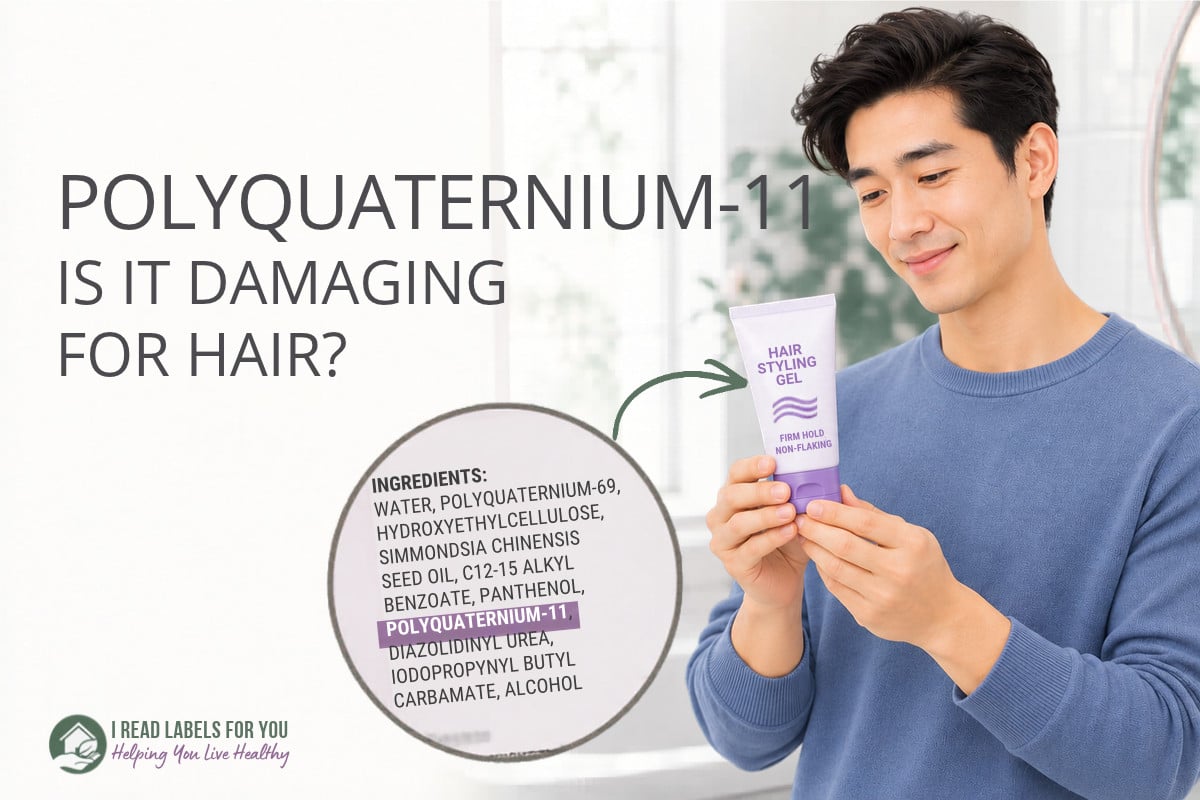
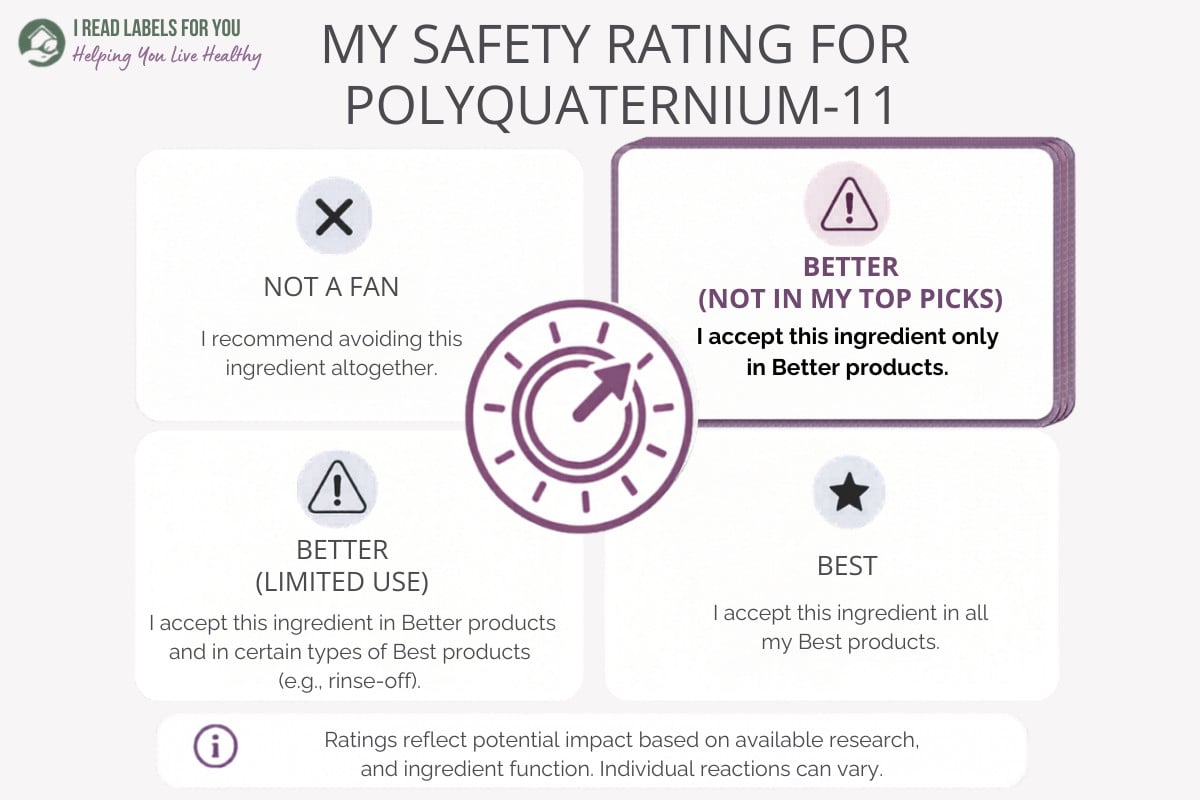
Yes, Polyquaternium-11 looks safe in hair products, but its manufacturing chemicals keep it out of my top choices. It’s a large film-forming polymer that tested gently on skin, yet two chemicals used to make it are suspected or known carcinogens. Weighing both sides, my rating for it is Better (Not In My Top Picks).
Polyquaternium-11 carries no restriction in European Union (EU) cosmetics, even though the EU bans both diethyl sulfate and vinylpyrrolidone, the chemicals used to make it. Canada and the U.S. place no limits on it either, and no European safety committee has ever reviewed it.
In this post, you’ll find out:
- how much leftover vinylpyrrolidone the industry specification lets the ingredient carry
- why a claim about diethyl sulfate came with no test results
- whether your hair spray, shampoo or styling cream gives you more exposure
What Is Polyquaternium-11?
Polyquaternium-11 is a synthetic polymer, a long chain built from repeating units. Chemists link two small building blocks into a chain and then give part of that chain a permanent positive charge.
The number 11 in the name is simply its place in the industry naming system. It says nothing about strength, and each numbered polyquaternium is a separate chemical with its own safety record.
What Does Polyquaternium-11 Do In Cosmetics?
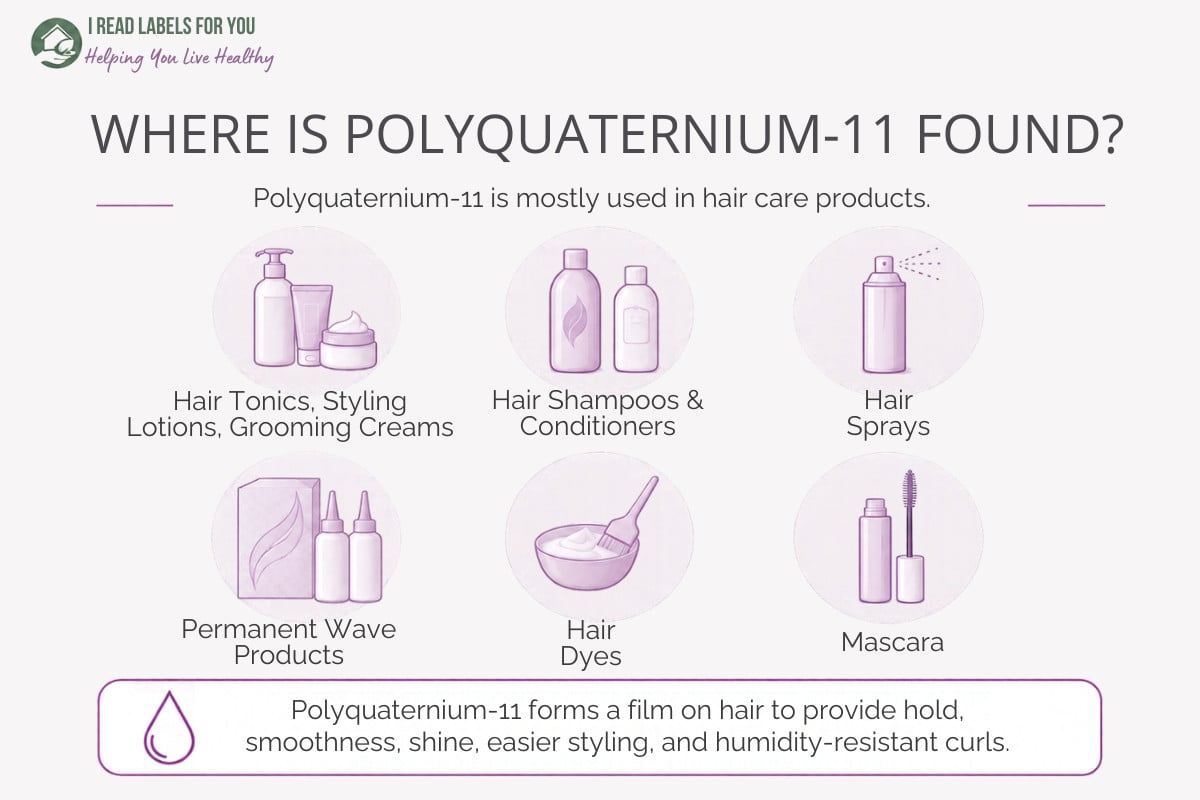
Polyquaternium-11’s main job in cosmetics is hold. According to the 1983 report from the Cosmetic Ingredient Review (CIR), an industry-funded U.S. safety panel, it forms a film on the hair shaft.
Brands also count on this polymer for smoothness, shine, easier styling and curl that survives humid weather. Its positive charge pulls it toward hair, which carries a slight negative charge after washing.
In 2023, brands reported 192 products containing this ingredient to the U.S. Food and Drug Administration, almost all of them hair products. That count covers only a fraction of what is on shelves. Leave-on products, such as hair sprays and styling products, used up to 2.9%, while rinse-off products, such as conditioners and shampoos, used 0.08 to 0.6%.
You’ll find Polyquaternium-11 most often in:
- hair tonics, styling lotions and grooming creams
- hair conditioners
- shampoos
- hair sprays
- permanent wave products
- hair dyes
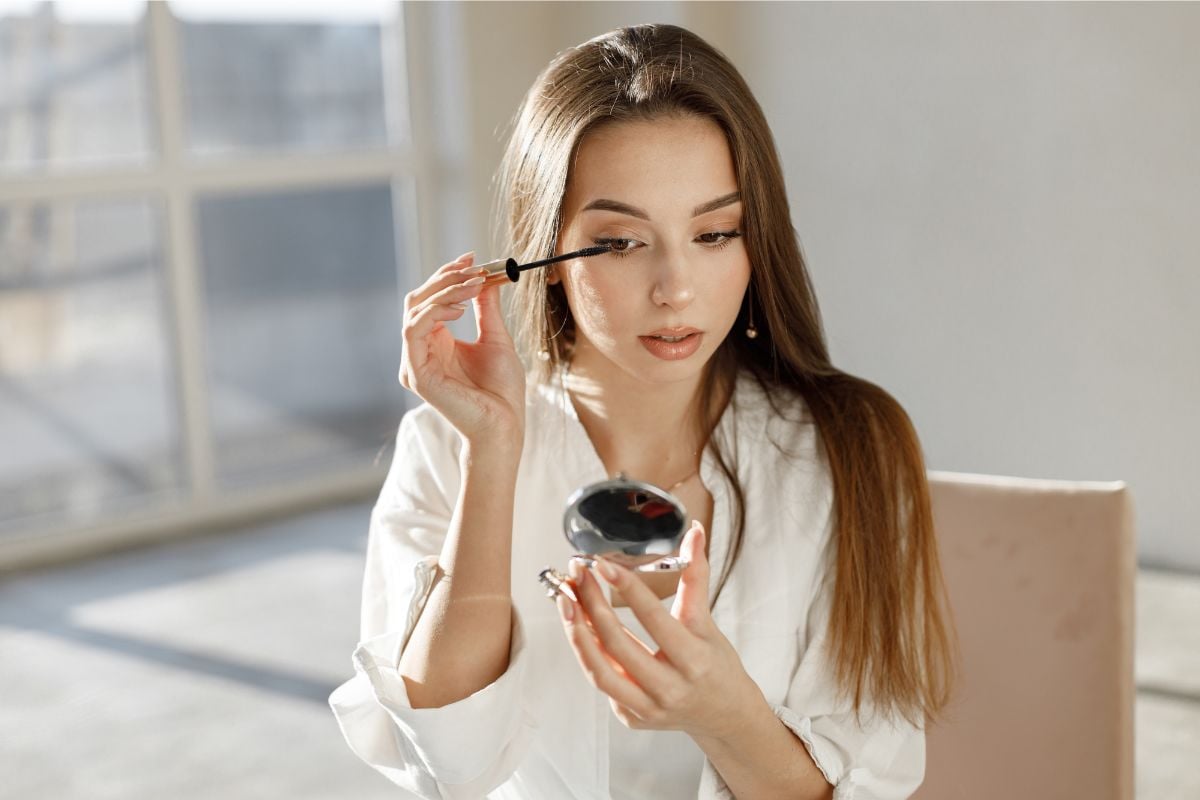
- mascara
You will not find this polymer in food. The U.S. Electronic Code of Federal Regulations, which holds federal food rules, has no listing for it.
How Is Polyquaternium-11 Made?
Manufacturers make Polyquaternium-11 by joining two small molecules: N-vinylpyrrolidone (NVP) and dimethylaminoethyl methacrylate (DMAEMA). Then, according to the 1983 CIR report, the chain is “partially quaternized with diethyl sulfate,” meaning only some units receive a permanent charge.
All three chemicals used to make the polymer carry a hazard classification in Europe. Diethyl sulfate holds Europe’s 1B rating as a carcinogen and a mutagen, which means regulators presume it can trigger cancer and DNA changes in humans. NVP is a suspected carcinogen, category 2, and DMAEMA is a skin sensitizer.
Residue information on this ingredient is thin. The CIR states that industry specifications “allow residual vinylpyrrolidone to a maximum concentration of 1.0%.” It reports no measured level in any batch.
For diethyl sulfate, the CIR says the ingredient “does not contain” it, because the chemical breaks down quickly in air. Notably, the report names no test method and no detection limit behind that statement.
Nitrosamines are another open question for the polymer. The 1983 CIR report states, “No information was available on the possible presence of nitrosamines.”
Nitrosamines are cancer-causing contaminants that can form when nitrites react with chemicals called amines. DMAEMA, one of the two building blocks of the polymer, is an amine. Diethyl sulfate converts only some of it, so the rest could still react. The CIR report also never mentions how much leftover DMAEMA remains in the finished ingredient.
Does Polyquaternium-11 Penetrate The Skin?
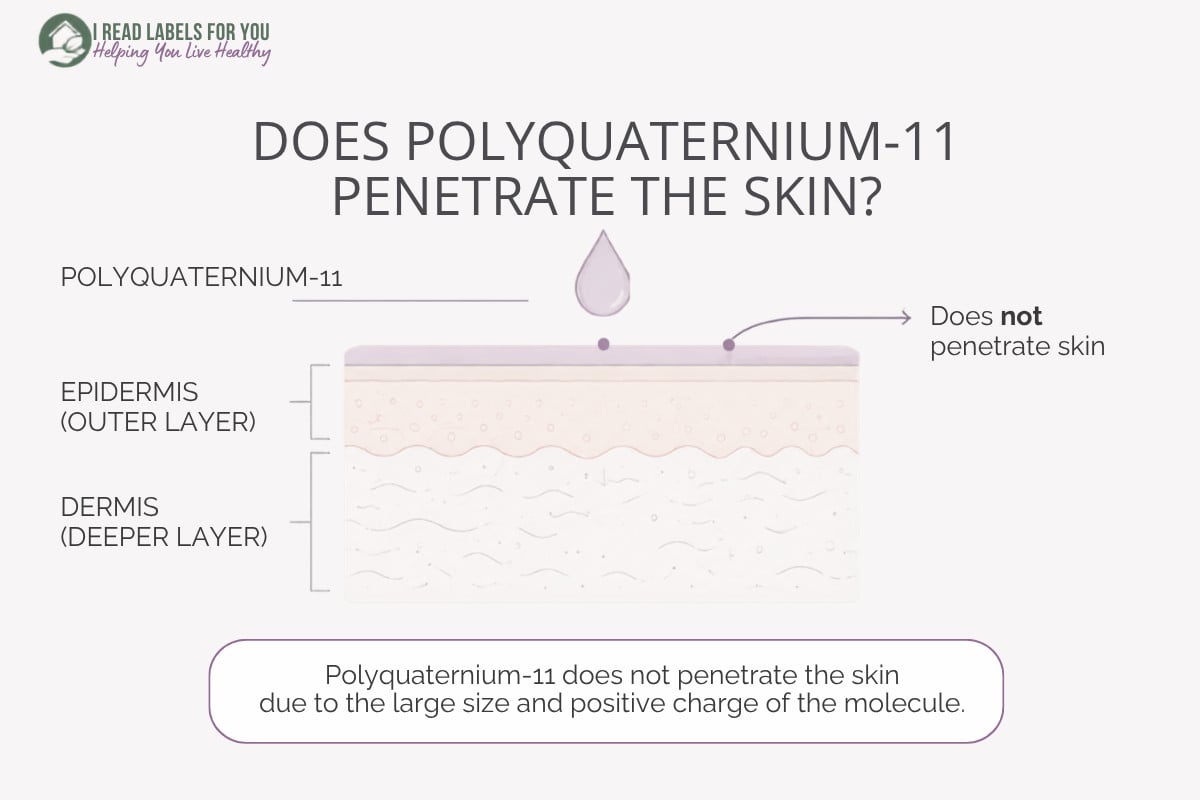
No, the Polyquaternium-11 polymer itself is too big to get through skin, and size is the main reason. Molecules above roughly 500 daltons, the unit chemists use for molecular size, rarely pass through healthy skin. Its commercial forms average under 100,000 or over 1,000,000 daltons.
Charge adds a second barrier for the polymer. Its positively charged, water-loving chains struggle to cross the fatty top layer of skin. Thus, the polymer has no LogP value, a score comparing how well a chemical dissolves in fat versus water.
Leftover NVP in the ingredient is a different story. NVP is a small molecule, well below 500 daltons, and the CIR reports no absorption data for the polymer or for leftover NVP.
Two other possible leftovers in the ingredient, diethyl sulfate and DMAEMA, are also small enough to pass through skin. Diethyl sulfate breaks down quickly in water, but no one has measured either one in this ingredient.
What Is Polyquaternium-11 Called On Labels?
Look for these names on an ingredient list:
- Polyquaternium-11
- Quaternium-23 (an older name)
- Gafquat (an older supplier brand name)
- Polyquaternium 11
Does The U.S. FDA Restrict Polyquaternium-11 In Food And Cosmetics?
No, U.S. federal law puts no cap on how much Polyquaternium-11 a cosmetic may contain. Its name is absent from the U.S. Food and Drug Administration (FDA) roster of banned and limited cosmetic chemicals.
The FDA’s silence on this ingredient tells you little. The FDA list holds only a handful of chemicals, and U.S. law leaves ingredient safety checks largely to the companies selling the products.
Europe starts from a more cautious position on ingredients like this one. Its precautionary principle allows regulators to restrict a chemical once credible warning signs appear, even while scientists still debate the evidence.
EU Regulations On Polyquaternium-11
The EU allows Polyquaternium-11 in cosmetics without limits. CosIng, Europe’s official cosmetic ingredient catalog, describes its jobs as film forming and static control, and no restriction annex mentions it.
Yet the EU bans the two main chemicals used to make the polymer from cosmetics. Diethyl sulfate sits on Annex II, the banned list, as entry 749, and vinylpyrrolidone as entry 1113. Europe also names diethyl sulfate a substance of very high concern.
The regulatory gap for this ingredient is the residue. Europe sets no limit for leftover NVP or diethyl sulfate inside the polymer. On top of that, the Scientific Committee on Consumer Safety (SCCS), whose members guide EU cosmetic law, has issued no opinion on it.
The European Chemicals Agency (ECHA) lists no official hazard classification for the polymer. Because it is sold already dissolved in water or alcohol, it likely falls outside the 2023 EU microplastics rule.
Canadian Regulations On Polyquaternium-11
Canada places no restriction on Polyquaternium-11. Health Canada’s Cosmetic Ingredient Hotlist omits it, although diethyl sulfate appears there as a prohibited cosmetic ingredient.
Likewise, the polymer does not appear on Schedule 1, the roster of toxic substances kept under the Canadian Environmental Protection Act (CEPA). None of its building chemicals appears there either.
Are There Any Cancer Concerns Linked To Polyquaternium-11?
Yes, there are open cancer questions about Polyquaternium-11, though they come from its manufacturing chemicals, not from the polymer. No cancer agency lists the polymer itself.
The chemicals used to make the polymer tell a different story. The International Agency for Research on Cancer (IARC) rates diethyl sulfate as probably carcinogenic to humans. California’s Proposition 65 and the U.S. National Toxicology Program list it too.
Nobody has tested the polymer itself for cancer or gene damage. Only leftover NVP was checked: three lab tests on cells from 1980, submitted by the industry trade group, found no gene damage.
Simple math shows why NVP residue in this ingredient matters. A hair spray with 2.9% of the polymer, carrying the full 1.0% NVP allowance, could hold up to roughly 290 parts per million of NVP.
Can Polyquaternium-11 Cause Skin Allergy And Sensitization?
No, Polyquaternium-11 has not caused skin allergy in any reported test, in animals or people. Keep in mind that the cosmetics industry trade association submitted nearly all of the unpublished allergy studies on it to the CIR.
In human tests of the polymer, repeated patch testing on 450 volunteers at 9.5% to 50% produced no allergies and only occasional, short-lived irritation. Similarly, a guinea pig maximization test, a tough animal screen for allergens, came back negative.
Light-exposure tests in 31 women for each form of the polymer found no sun-triggered reactions. The polymer is also absent from the Core Allergen Series, the 90 allergens chosen by the American Contact Dermatitis Society (ACDS) for routine patch testing.
One allergy caution remains for this ingredient. DMAEMA, one of its building blocks, is a classified skin sensitizer, and nobody has reported how much of it stays in the finished ingredient.
Is Polyquaternium-11 A Hormone (Endocrine) Disruptor?
No, Polyquaternium-11 has no known hormone-disrupting effect, although no study has ever looked for one. Endocrine activity goes unmentioned in all three CIR reviews.
Europe has not flagged the polymer as a hormone disruptor. Neither the polymer nor its building chemicals appear on the ECHA endocrine disruptor assessment list. The polymer is also absent from the European Commission’s cosmetics endocrine disruptor page.
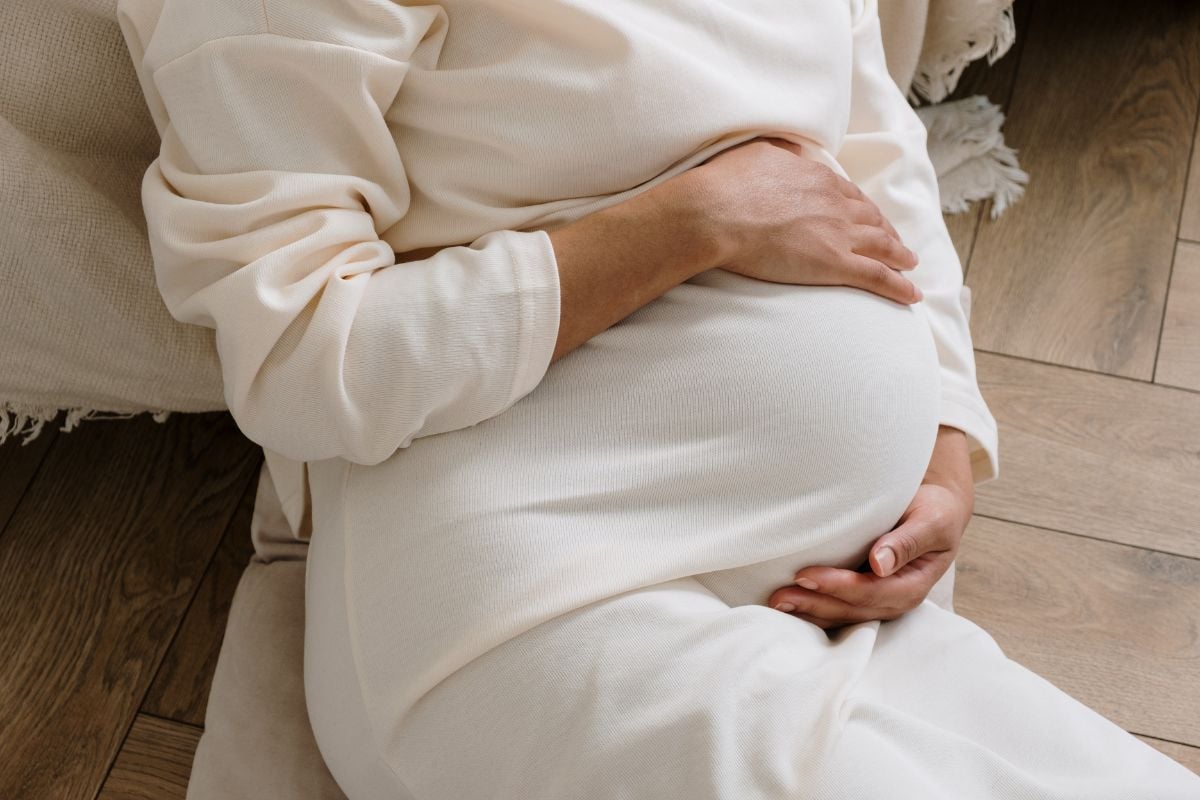
Is Polyquaternium-11 Safe To Use While Pregnant?
Nobody can say for sure, because no one has studied Polyquaternium-11 or its leftovers in pregnancy. The polymer itself stays on the surface of the skin. However, the 1983 CIR report says data on teratogenicity, meaning harm to a developing baby, were not available.
Europe gives none of the three chemicals used to make the polymer a reproductive-harm classification. Still, leftover NVP has never been measured, and hair sprays add an inhalation route.
If you are pregnant, a rinse-off product with this ingredient is the lower-exposure choice, and spraying in a well-aired room helps. Since every pregnancy differs, you should consult with your medical provider before relying on any general advice, including mine.
Is Polyquaternium-11 Bad For The Environment?
Polyquaternium-11 may be harmful to water life, although no official ruling exists. Most companies that self-reported a hazard classification to ECHA, according to PubChem, described it as poisonous to fish and other aquatic life, with lasting harm.
That company-reported classification is not harmonized, meaning regulators have not confirmed it. None of the three CIR reviews of the polymer examined its fate in rivers or soil.
As a fully synthetic polymer, this ingredient does not appear on the approved ingredient lists of COSMOS or NATRUE, the two major natural-cosmetics certifiers.
Common Claims About Polyquaternium-11: What’s True And What’s Not
Claim: Polyquaternium-11 Is Damaging For Hair
The claim that Polyquaternium-11 damages hair lacks evidence. No CIR study found hair damage, and suppliers actually claim it improves hair strength and moisture retention.
Buildup is the real issue with this polymer. The CIR notes its resin film can stay on hair and scalp “for indefinite periods.” Heavy layers may leave hair stiff or dull until you wash them out.
In a three-week use test, 54 people used a conditioner with 1.0% of the polymer. A few reported scalp irritation, but results did not differ from the comparison product.
Claim: Polyquaternium-11 Releases Formaldehyde
Polyquaternium-11 does not release formaldehyde. Its chemistry does not involve formaldehyde, and none of its three CIR reviews links the two. People probably mix it up with Quaternium-15, an unrelated preservative known for giving off formaldehyde.
The ingredient’s former name, Quaternium-23, adds to the muddle. Check both the word and the number on the ingredient list.
Claim: Polyquaternium-11 Is A Silicone
Polyquaternium-11 is not a silicone. Silicones are built around silicon atoms, while this polymer is made from vinylpyrrolidone and a methacrylate, with no silicon at all.
The mix-up between this polymer and silicones is understandable. Both coat hair and add smoothness, but they come from completely different chemistry.
What I Think About Polyquaternium-11 — And What You Should Do
I rate Polyquaternium-11 Better (Not In My Top Picks) because of how it’s made. The polymer itself behaved gently in every reported test, yet its makers rely on two chemicals Europe bans from cosmetics.
Consequently, this ingredient can appear in my Better products but never in my Best ones. This applies to rinse-off and leave-on products alike, and to baby products as well.
Three findings could earn this ingredient a Best spot. These are a current supplier specification showing NVP in the low parts per million, proof of no diethyl sulfate, and testing that shows no nitrosamines.
Here are steps you can take:
- pick styling products without it for your top-tier routine
- favor rinse-off products over hair sprays and leave-in styling creams
- spray hair products in a ventilated room and keep the mist away from your face
- use a clarifying shampoo when hair starts to feel stiff or coated
Frequently Asked Questions About Polyquaternium-11
What Is Polyquaternium-11 Used For?
Polyquaternium-11 mainly helps hair hold its shape. It also smooths hair, adds shine and keeps curls from collapsing in humidity, which is why styling lotions and hair sprays use it most.
Is Polyquaternium-11 Bad For Hair?
No. Polyquaternium-11 coats rather than harms hair. Too much product can feel stiff or heavy, and a clarifying wash clears it.
What Are Polyquaternium-11 Side Effects?
Reported side effects of Polyquaternium-11 are mild. In human patch tests, 1 of 19 people showed slight irritation at 9.5%, and a conditioner caused barely visible to mild irritation in 29 volunteers.
In rabbit tests, products containing the polymer caused brief eye redness that cleared within a day or two. Rinse right away if a product gets in your eyes.
Is Polyquaternium-11 Natural?
No. Polyquaternium-11 is entirely lab-made from synthetic building blocks. That’s why neither COSMOS nor NATRUE approves it.
What Is A Polyquaternium-11 Alternative?
Instead of Polyquaternium-11, rinse-off conditioners with Polyquaternium-10 or Guar Hydroxypropyltrimonium Chloride can make my Best list for adults. Both smooth and detangle hair, though neither gives the firm hold of a styling polymer.
Is Polyquaternium-11 Used In Baby Products?
Brands reported no baby-product use of Polyquaternium-11 in 2023. If it ever appears in one, I would accept it only in my Better baby products.
Why Does EWG Rate Polyquaternium-11 Differently?
On the Environmental Working Group (EWG) scale, Polyquaternium-11 scores a 1, the lowest possible hazard, while my rating bars it from Best products. Even so, EWG’s own Verified program restricts it unless a brand provides adequate proof of safety.
Sources
EU SCCS / SCCP Opinions:
No SCCS or SCCP opinion on Polyquaternium-11 (checked, along with SCCS mandates). SCCS opinions portal: SCCS opinions
Cosmetic Ingredient Review (CIR) Reports:
Cosmetic Ingredient Review, 1983. Final Report on the Safety Assessment of Polyquaternium-11. Journal of the American College of Toxicology 2(5):161 to 178. No author printed on the report; cited as Elder 1983 in the 2005 review. CIR is funded by the cosmetics industry, and most studies were unpublished data submitted by the Cosmetic, Toiletry and Fragrance Association. Covers manufacture, residual vinylpyrrolidone, diethyl sulfate, patch tests and inhalation: cir-reports.cir-safety.org
Cosmetic Ingredient Review Expert Panel, 2005. Annual Review of Cosmetic Ingredient Safety Assessments 2002/2003, Polyquaternium-11 re-review. International Journal of Toxicology 24(Suppl 1):1 to 102, pages 82 to 83. No new studies found; 2001 use data: cir-reports.cir-safety.org
Expert Panel for Cosmetic Ingredient Safety, 2023. Polyquaternium-11 re-review summary, September 2023 meeting. No relevant new data found; 2023 use concentrations, with no baby-product use reported: cir-reports.cir-safety.org
European Union Regulatory Databases:
CosIng entry 79108, POLYQUATERNIUM-11, functions antistatic and film forming; no annex restrictions: CosIng 79108
CosIng Annexes II, III, IV, V and VI (2026 versions), checked; Polyquaternium-11 not listed. Diethyl sulphate (Annex II entry 749) and 1-vinyl-2-pyrrolidone (Annex II entry 1113) are prohibited in cosmetics.
CLP Annex VI harmonized classifications (2026 table): no entry for Polyquaternium-11. Diethyl sulphate, Index 016-027-00-6, Carc. 1B and Muta. 1B; on the REACH Candidate List of substances of very high concern since December 19, 2012: ECHA CHEM, diethyl sulphate
1-Vinyl-2-pyrrolidone, Index 613-168-00-0, Carc. 2: ECHA CHEM, N-vinylpyrrolidone
2-Dimethylaminoethyl methacrylate, Index 607-132-00-3, Skin Sens. 1: ECHA CHEM, DMAEMA
ECHA CHEM, Polyquaternium-11, list number 611-022-0. No harmonized classification, no REACH registrations, not a substance of very high concern: ECHA CHEM
ECHA endocrine disruptor assessment list. Polyquaternium-11, NVP, DMAEMA and diethyl sulfate not listed: ECHA ED assessment list
European Commission, endocrine disruptors in cosmetics. Polyquaternium-11 not listed: European Commission ED page
Other Regulators:
U.S. FDA, prohibited and restricted cosmetic ingredients. Not listed: FDA
U.S. Electronic Code of Federal Regulations. No food listing for Polyquaternium-11: eCFR
Health Canada Cosmetic Ingredient Hotlist. Polyquaternium-11 not listed; diethyl sulfate prohibited: Health Canada Hotlist
Environment Canada, CEPA Schedule 1. Polyquaternium-11 and its building chemicals not listed: CEPA Schedule 1
International Agency for Research on Cancer (IARC). Polyquaternium-11 not classified; diethyl sulfate Group 2A; N-vinylpyrrolidone Group 3: IARC list
U.S. National Toxicology Program, Report on Carcinogens, 15th edition. Polyquaternium-11 not listed; diethyl sulfate reasonably anticipated to be a human carcinogen: NTP listed substances
U.S. National Toxicology Program, Report on Carcinogens profile for diethyl sulfate. Breaks down in water with a half-life of about 1.7 hours: NTP diethyl sulfate profile
California Proposition 65 list. Polyquaternium-11 not listed; diethyl sulfate listed for cancer since January 1, 1988: OEHHA
U.S. EPA Integrated Risk Information System. No assessment of Polyquaternium-11; archived entry for diethyl sulfate: IRIS A to Z list
PubChem Records (Chemistry, Identifiers, Skin Penetration, Hazard Codes):
Polyquaternium-11, CID 94559. The record shows its three building chemicals as a mixture, not the polymer; company-notified aquatic hazard codes H410, H411 and H412: PubChem CID 94559
Diethyl sulfate, CID 6163: PubChem CID 6163
N-vinyl-2-pyrrolidone, CID 6917: PubChem CID 6917
2-(Dimethylamino)ethyl methacrylate, CID 17869: PubChem CID 17869
Peer-Reviewed Studies:
No peer-reviewed safety study on Polyquaternium-11 found. A PubMed search for Polyquaternium-11 and Quaternium-23 returns one record, a 2004 study of cream structure and texture with no safety data, PMID 18494913: PubMed 18494913
Natural Cosmetic Standards:
COSMOS-standard approved raw materials. Not listed: COSMOS-standard approved raw materials
NATRUE certified and approved raw materials. Not listed: NATRUE certified raw materials
Skin Allergy Resource:
American Contact Dermatitis Society (ACDS), Helpful References, including the Core Allergen Series 2020. Polyquaternium-11 is not on the series; Quaternium-15 is a different ingredient: ACDS Helpful References
Advocacy groups:
Environmental Working Group (EWG) Skin Deep entry for Polyquaternium-11. Hazard score 1, data limited; restricted in EWG Verified: EWG Skin Deep
Last verified: 10-21-2026
Download The Free Guide!
5 Powerful Steps To A Non-Toxic Home
Join our informed consumer community and get our free guide the “5 Powerful Steps To A Non-Toxic Home”.
Before commenting, please read our Comment Policy.