
Is CeraVe Cruelty Free?
 Written by Irina Webb
Have you ever wondered whether the products you use every day truly align with your values? For many, choosing cruelty-free cosmetic products is a small but meaningful way to support animal welfare while also making more environmentally responsible choices. However, it’s important to remember that “cruelty-free” does not automatically mean a product is safer or made with non-toxic ingredients.
CeraVe is a well-known skincare brand found in many stores and even recommended by dermatologists. But is CeraVe cruelty free, and most importantly – is it safe? Today, we’ll take a closer look at what CeraVe’s current animal-testing status is, and whether the ingredients in CeraVe skincare are safe for you. You will also learn about cruelty-free, vegan brands that I trust because of their commitment not only to avoid animal testing but also to use non-toxic skincare ingredients.
Is CeraVe Cruelty Free?
In this post, you will learn about CeraVe brand’s history, its parent company, and whether CeraVe engages in animal testing. I’ll walk you through CeraVe’s animal testing policy, the meaning of “required by law,” and why claims around cruelty-free status can be confusing. On top of that, you will discover what ingredients used by CeraVe stop me from calling their skincare safe.
What Is CeraVe?
To begin with, CeraVe is a skincare brand launched in 2005 and headquartered in the United States. Working with dermatologists, the founders wanted to create affordable skincare centered around three essential ceramides to strengthen the skin barrier. CeraVe’s cleansers, moisturizers, and healing ointments are widely recommended by dermatologists, which is probably why CeraVe products are among the top sellers in drugstores nationwide. Still, consumers want to know whether the brand aligns with their personal values—particularly when it comes to animal welfare.
Are CeraVe Products Cruelty Free?
The answer to this question is not so straightforward. For starters, let’s define what “cruelty-free” means.
Specifically, “cruelty-free” refers to products and ingredients that were not tested on animals at any stage of the development and production process. The third-party certifications that can verify that are Leaping Bunny and PETA. Notably, “cruelty-free” is not the same as “vegan”—the latter means a product contains no animal-derived ingredients. (Learn more in my blog post Understanding Vegan Lip Gloss Ingredients & Safety.)
As for CeraVe, in the FAQ section of its website, the company states that its products are not tested on animals. However, the brand does sell in countries where animal testing is required by law and, therefore, engages in animal testing when health authorities or regulators demand it. Because of this, CeraVe is not certified by Leaping Bunny or any other major cruelty-free organization.
To clarify, in certain countries, especially China, even when a brand does not initiate the tests, health authorities may nevertheless decide to conduct animal tests on imported skincare products to ensure their safety. In other words, it’s possible for a company like CeraVe, which aims to be cruelty-free, to be involved in a system that allows tests on animals when authorities may nevertheless decide to conduct animal testing.
On a positive note, regulatory changes that took effect on May 1, 2021, made it possible in some cases to sell skincare in China without animal testing, depending on the product category and the sales channel used (source).

CeraVe Animal Testing Policy
Below is a breakdown of CeraVe’s animal testing policy, including the role of its parent company, regulatory requirements, and what the brand openly acknowledges.
CeraVe Is Not Certified Cruelty Free
First, CeraVe does not hold certification from Leaping Bunny or PETA. These third-party organizations have strict standards that exclude brands selling in regions where animal testing laws remain in place.
It Sells In Markets That Require Animal Testing
Second, CeraVe sells products in mainland China, where health authorities can require animal tests for certain imported skincare. This means CeraVe allows animal testing under specific circumstances.
L’Oréal Is CeraVe’s Parent Company
Third, CeraVe’s parent company, L’Oréal, has made progress toward non-animal testing methods. However, L’Oréal still sells widely in markets where regulators decide to conduct animal tests. As a result, L’Oréal does not seem to be a cruelty-free company.
CeraVe States They Do Not Test Their Cosmetic Products On Animals
Next, while CeraVe does say their cosmetic products “are not tested on animals,” they do sell in certain markets where animal testing is required by law. This means that although CeraVe itself may not initiate animal testing, health authorities in some countries may nevertheless decide to conduct tests on their behalf, which makes concerns about CeraVe cruelty free status valid.
Authorities May Nevertheless Decide To Conduct Animal Tests
Lastly, even when a brand does not directly conduct animal tests, authorities can still require additional testing to approve the product. This is the major legal loophole that prevents CeraVe from being truly cruelty-free.

Are CeraVe Products Ingredients Safe?
Let’s look at the ingredients of four best-selling CeraVe cosmetic products and my perspective on their safety as of November 2025.
Daily Moisturizing Lotion

While this product contains ceramides and hyaluronic acid that can help your skin retain moisture, there are also some ingredients to avoid, in my opinion:
- Carbomer: The acrylic acid it is made with may contain benzene residues and be irritating and sensitizing for skin (CIR).
- Ceteareth-20 and Polysorbate 20: Ethoxylated ingredients that may contain traces of carcinogenic chemicals used during manufacturing.
- Behentrimonium Methosulfate: A quaternary ammonium salt, mainly used as an antistatic, conditioning, softening, hydrating agent in hair care products. In my opinion, it is not necessary in lotion, especially when there is a risk of skin irritation (ECHA). (Learn more about the Safety of Quaternary Ammonium Compounds here.)
PM Facial Moisturizing Lotion
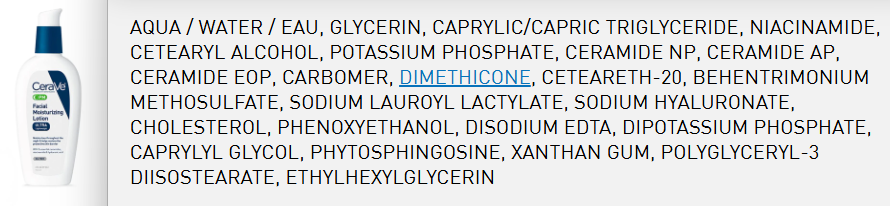
The lotion features niacinamide, ceramides, and sodium hyaluronate as hydrating and age-supporting ingredients. However, just as the Daily Moisturizing Lotion discussed above, in my opinion, it includes ingredients to avoid, namely:
- Carbomer: Made from acrylic acid, it may contain trace benzene residues and has the potential to irritate or sensitize the skin (CIR).
- Ceteareth-20: An ethoxylated ingredient with potential traces of carcinogenic chemicals used during manufacturing.
- Behentrimonium Methosulfate: A quaternary ammonium compound commonly used in hair products for its conditioning and softening effects. However, I believe it is not essential in a facial lotion, particularly as it can pose a risk of skin irritation (ECHA).
- Phenoxyethanol: While it works well as a broad-spectrum preservative, it can sometimes contain impurities like phenol, which is corrosive, and ethylene oxide, a known carcinogen. (Learn more in my blog post What Is Phenoxyethanol In Skin Care.)

Download The Free Guide!
5 Powerful Steps To A Non-Toxic Home
Join our informed consumer community and get our free guide the “5 Powerful Steps To A Non-Toxic Home”.
Foaming Facial Cleanser
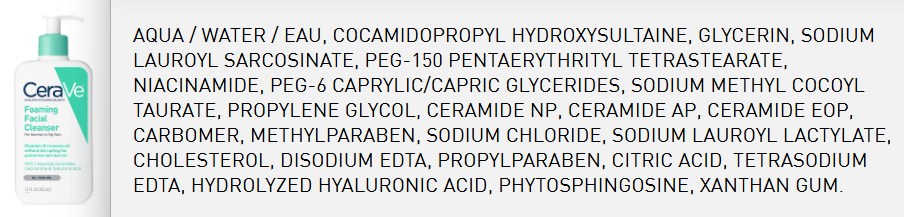
Although the cleanser’s formulation contains beneficial ingredients such as niacinamide, ceramides, and hyaluronic acid, I can’t overlook the ingredients of potential concern (in my opinion):
- Cocamidopropyl Hydroxysultaine: A coconut-based cleansing agent that helps create a rich lather, but it may contain small residues of impurities such as DMAPA, associated with skin sensitization in some cases. (Read more about this ingredient in my blog post on Cocamidopropyl Hydroxysultaine.)
- PEG-150 and PEG-6: Ethoxylated ingredients that can carry trace contaminants formed during manufacturing, including substances classified as potential carcinogens.
- Carbomer: Made from acrylic acid, it can contain small amounts of benzene residues and may cause irritation or sensitization in some individuals.
Daily Eye Repair Cream

Again, in my view, the age-supporting ingredients in this formulation—niacinamide, ceramides, and sodium hyaluronate—do not outweigh the concerns associated with other ingredients that may pose potential health risks:
- PEG-20 and Laureth-4: Ethoxylated ingredients that may contain trace byproducts from the manufacturing process, including compounds identified as potential carcinogens.
- Carbomer: Derived from acrylic acid, it can carry small amounts of benzene residues and may lead to irritation or sensitization for some people.
- Behentrimonium Methosulfate: A quaternary ammonium compound mainly used in hair care for its conditioning and softening properties. In my opinion, it’s not necessary in an eye cream, even more so that it may increase the risk of skin irritation (ECHA).
- Triethanolamine: Can cause serious eye damage and is suspected of harming reproductive health (ECHA).
- Phenoxyethanol: An effective broad-spectrum preservative, but it may contain impurities such as phenol (a corrosive substance) and ethylene oxide (a known carcinogen).
- Extracts and Oils: In an ideal world, I wish at least some of the extracts and oils in the formula were organic, especially when it comes to a gentle eye-area product. Without organic sourcing, there’s a risk of exposure to residual amounts of potentially harmful solvents, pesticides, or herbicides.
What Are Safe And Cruelty Free Alternatives To CeraVe?
If you want the skin-barrier supporting, gentle, and safe formulations without any concerning ingredients as well as without the animal-testing concerns—there are excellent certified cruelty free and ethically driven brands to choose from. Most of them are vegan brands that avoid animal derived ingredients, do not sell in markets with required animal testing, and do not allow authorities to conduct animal tests on their behalf, making them reliable alternatives.
Crunchi
Crunchi Skincare & Makeup (ADVOCATE15): To start with, Crunchi is my favorite performance-driven, cruelty-free brand committed to safe, clean ingredients. Their skincare line is EWG-conscious and toxin-free. Crunchi never tests on animals and maintains strict transparency in manufacturing and sourcing. Their moisturizers and serums offer nourishing, barrier-friendly hydration with clean, age-supporting ingredients and strong ethical standards.
Pure Haven
Pure Haven Skincare, Personal Care, & Home Care (PURE15): This is another favorite brand of mine—100% toxin-free, cruelty-free, and made in the USA. The brand formulates without synthetic fragrances, PEGs, petroleum derivatives, or questionable preservatives, making it ideal for those who prefer safer formulations. Pure Haven never sells cosmetic products in regions that require animal testing.
Attitude Living
Attitude Living (10% off in the link): This is a Canadian brand, EWG-verified, vegan, and PETA certified cruelty free. They offer a wide range of skincare, household cleaners, and baby products. Their face creams and cleansers are gentle, hypoallergenic, and environmentally conscious, produced without animal derived ingredients. Attitude refuses to enter markets where health authorities may require tests on animals, making them a trustworthy cruelty-free choice.
Beauty By Earth
Beauty By Earth Skincare & Self-Tanners (IRINAWEBB): This brand is cruelty-free, non-toxic, and known for plant-powered ingredients. They create hydrating moisturizers, cleansers, and exfoliants without harsh chemicals or synthetic fillers. The brand is Leaping Bunny certified, ensuring that their products are not tested on animals and that they do not allow third-party testing anywhere in the world.
Primally Pure
Primally Pure Face & Body Skincare (READLABELS10): The company focuses on effective, minimal-ingredient skincare made with grass-fed tallow, organic botanicals, and nutrient-rich plant oils. While not fully vegan (due to grass-fed tallow), the brand is strictly cruelty-free and never allows authorities to decide to conduct animal tests on its products. Their creams and oil cleansers offer deep nourishment—especially suitable for dry or sensitive skin.
Blissoma
Blissoma Holistic Skincare: The company creates herb-based, science-backed skincare designed for sensitive, reactive, or chronically stressed skin. The brand is cruelty-free, vegan-friendly, and independently owned. Blissoma does not sell in markets that require animal testing, and their slow-extraction herbal formulas deliver soothing, support without compromise.
Conclusion: Is CeraVe Cruelty Free And Safe?
CeraVe Is Not Cruelty Free Because It Sells In Markets That Require Animal Testing By Law, And I Would Not Call Its Products Safe Because Some Ingredients Used In Their Formulations Carry Potential Health Risks, In My Opinion.
In conclusion, CeraVe is a popular, dermatologists-recommended skincare brand, but when it comes to cruelty-free and toxic-free status, the picture is more complex.
Indeed, while CeraVe states that its products are not tested on animals, the brand is not certified cruelty free, and its parent company sells in countries where animal testing is required by law. This means that although CeraVe may not actively conduct animal tests itself, it does allow testing when health authorities deem it necessary.
On top of that, some CeraVe skincare products’ formulations contain concerning ingredients (in my opinion), such as phenoxyethanol, ethoxylated ingredients, and others, that pose risks of skin irritation and other serious harm to health.
If you prioritize cruelty-free standards as well as safe ingredient formulations, my favorite cruelty and toxic-free products brands are for you:
- Crunchi (ADVOCATE15)
- Pure Haven (PURE15).
Check out my blog post Is The Ordinary Cruelty-Free?. For guidance on making informed and confident product choices, you can get my free emails with exclusive insights, helpful savings, and ongoing support for your health goals.
Download The Free Guide!
5 Powerful Steps To A Non-Toxic Home
Join our informed consumer community and get our free guide the “5 Powerful Steps To A Non-Toxic Home”.



Before commenting, please read our Comment Policy.