
What Is BPA-Free?
 Written by Irina Webb
Every day, people reach for plastic products without giving them a second thought. For instance, plastic water bottles at the gym, food containers in the pantry, and even the lining inside canned foods and beverages. For years, I did the same. But once I learned how often these items contain BPA, I started asking more questions. What exactly is this substance? And if I switch to BPA free plastics, am I truly making a safer choice?
Over the past decade, researchers have linked exposure to BPA with serious health concerns. As awareness grows, more manufacturers are choosing to create BPA free products. However, as I discovered during my own deep dive into scientific studies, “BPA-free” does not automatically mean “risk-free.” With that said, plastic is impossible to avoid completely. Today, I will be sharing what you need to know to make more informed decisions surrounding plastic in your life.
What Is “BPA-Free”?
Have you ever been shopping and noticed products labeled as “BPA- free”? These advertisements are increasing in popularity, but do you know what they mean? Similarly, you may be wondering how important it is to use BPA-free products.
Today, this post will unpack what BPA is, detail what BPA does to the body, explain how to limit BPA exposure, and help you decode products labeled as “BPA-free” without falling for misleading claims.
What Is BPA?
To begin, Bisphenol A (BPA) is a man-made industrial chemical that manufacturers have used for decades to make certain plastics and resins. In particular, it forms the base for polycarbonate plastics and epoxy resins (source).
You’ll often find polycarbonate in water bottles and food containers, baby bottles, and other sturdy, clear plastics. Epoxy resins coat the insides of food and drinks cans, bottle caps, and many other products.
So, what is the main reason for the growing awareness surrounding BPA-free products?
For starters, research shows BPA can migrate into foods and beverages, particularly under heat, acidic, or fatty conditions. Moreover, exposure to BPA can happen without obvious signs; in other words, you can’t see, smell, or taste the BPA in your food. Subsequently, consumers are typically unaware of their exposure to BPA.
In fact, in 2003-2004, the Centers for Disease Control and Prevention (CDC) found BPA in 93% of the 2517 urine samples it studied. Sadly, studies in other countries also found similar results (source and source). We will discuss the importance of this next.

What Does BPA Do To The Body?
Because BPA is so widespread, nearly everyone comes into contact with it. Consequently, this prevalence makes it crucial to understand how BPA affects our bodies, as research links it to several serious health conditions.
Endocrine Disruption
First, BPA can act like estrogen in the body, attaching to hormone receptors and thus disrupting the body’s natural hormone balance. Because its structure closely matches estradiol, it can influence many estrogen-related pathways, which in turn can lead to early puberty and changes in sexual behavior.
As I am sure you are aware, the hormones in our bodies should operate in balance with one another. When environmental stimuli, such as BPA, enter our bodies, they can wreak havoc. Overall, BPA can disrupt hormones in both men and women, and may cause serious and lasting health effects (source, source, and source).
Reproductive Harm
Second, BPA has the potential to damage reproductive health in both sexes. In women, it can disrupt the function of the ovaries, making it harder for eggs to develop properly and for the uterus to support a pregnancy. Furthermore, research shows BPA exposure may reduce fertility, increase the risk of early pregnancy loss, and contribute to conditions like PCOS or endometriosis (source).
In men, BPA can harm the testes directly, lowering sperm count and quality while increasing abnormalities. It interferes with the cells that make testosterone, which is essential for healthy sperm production. Over time, these effects can lead to reduced fertility and lasting damage to reproductive function (source).
Neurological Effects
Third, BPA may interfere with brain development and function by disrupting hormones that regulate the nervous system. Studies show that exposure to BPA during pregnancy and early life is linked to behavior problems, memory impairment, and increased anxiety. (Take advantage of my Helpful List of Chemicals to Avoid During Pregnancy.)
Moreover, BPA promotes brain inflammation and may damage the protective blood-brain barrier, which normally shields the brain from harmful substances. Taken together, these effects can cause lasting neurological harm across one’s lifespan, increasing risks for neurodevelopmental disorders such as ADHD, autism, depression, and cognitive decline (source and source).
Metabolic Disorders & Heart Disease
Fourth, both human and animal studies have shown that BPA can harm metabolism by increasing risks of insulin resistance, diabetes, obesity, and high blood pressure (source). These disorders can understandably be tied to concerns with the health of the heart.
In fact, BPA is known for raising the chances of arrhythmias, hypertension, and atherosclerosis. BPA exposure may be especially harmful in pregnancy as it can promote the development of hypertensive disorders during pregnancy (source).
Overall, BPA exposure is associated with very concerning metabolic and cardiovascular problems that affect your health.
Immune & Carcinogenic Risks
Fifth, BPA can weaken the immune system by causing inflammation and disruption to immune cell function. More specifically, it interferes with key signaling pathways in immune cells such as macrophages, reducing the production of important pro-inflammatory cytokines and changing immune responses (source).
Not only that—it also has the potential to damage DNA repair and cell growth regulation, which may increase the risk of some types of cancer. Recent findings support a causal role of BPA at low levels in the development of cancer (source).
As you can imagine, because of these effects, reducing BPA exposure is crucial.
How Much BPA Exposure Is Dangerous?
Regulatory agencies worldwide continue to reassess limits because BPA’s effects can occur at very low levels, sometimes lower than those deemed “safe”. Since it can leach into foods regularly, the best course is to reduce your exposure rather than rely on fixed thresholds, especially for children and pregnant women (source and source).
How To Limit BPA Exposure
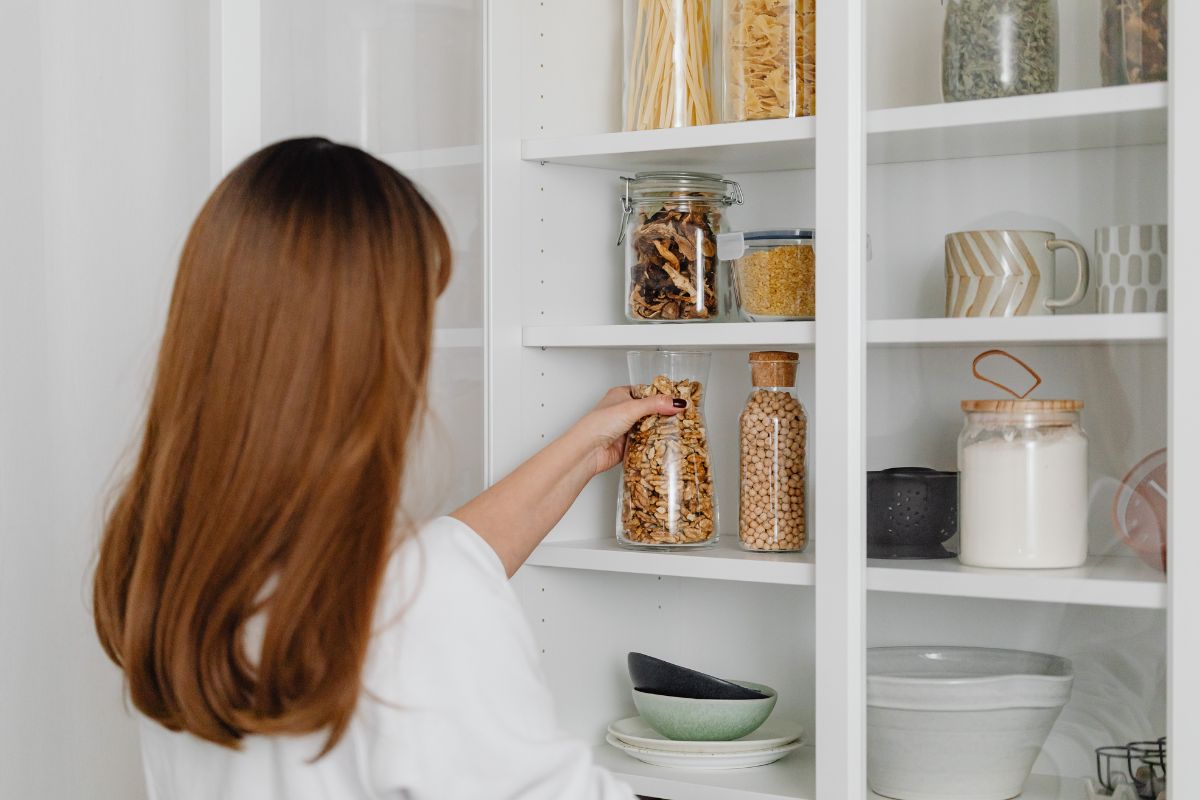
While avoiding plastic entirely is not realistically possible, small choices can make a difference. More specifically, there are realistic decisions we can make to reduce our exposure to bisphenols and other concerning chemicals. Let’s discuss those next.
Choose Glass Or Stainless Steel
To start with, whenever possible, select glass or stainless steel containers for water bottles and food storage. These materials do not require BPA or other bisphenols. You’ll not only avoid potential chemical leaching, but glass and stainless steel can better preserve the taste and freshness of your foods and beverages. Learn more in my blog post on the Best & Safest Water Bottles and visit the “Food Storage” section of my Amazon Store for safe options.
Avoid Heating Plastics
Next, heating plastic products, whether in microwaves or dishwashers, speeds up chemical migration. Instead, transfer hot food into a glass or stainless steel container before storing. In fact, even brief periods of heat can significantly increase the release of BPA from polycarbonate containers. You can read about this in my blog post on Plastic Plates.
Minimize Canned Foods
In addition, most canned foods use liners made from polycarbonate plastics and epoxy resins which may also contain BPS and BPF, common replacements for BPA. Opting for fresh or frozen items not only sidesteps these liners but also maximizes the nutrient quality of your meals. However, avoid steaming or reheating frozen foods in their packaging; instead, transfer these to a glass plate or safe cookware for warming.
Prefer Fresh Over Highly Processed
Lastly, another option is to choose fresh and unprocessed foods to naturally reduce possible exposure. Highly processed, packaged foods may contain higher levels of bisphenols due to extensive contact with plastic during production and storage (source).

What Products Contain BPA?
Apparently, BPA can be present in items you might not have considered. For your reference, I am including a list of common sources where BPA exposure may occur (source and source).
While this is not an exhaustive list, I hope to bring awareness to the prevalence of BPA. Perhaps you can evaluate how to reduce your exposure to these products and consider washing your hands after handling them:
- building materials and flooring
- paints and adhesives
- compact discs
- dental sealant
- medical devices
- sports equipment
- receipts (thermal paper)
- toys and electronics
- textiles (particularly synthetic fabrics)
- canned foods and beverages (learn more in my blog post on BPA-Free Cans)
- baby bottles (especially older models; read my blog post on Glass Vs Plastic Baby Bottles)
- polycarbonate water bottles (learn more in my blog post on the Safety Of Plastic Water Bottles)
- plastic plates, utensils (learn more in my blog post on Plastic Plates)
- plastic food storage containers (read my blog post on the Best Glass Tupperware)
Download The Free Guide!
5 Powerful Steps To A Non-Toxic Home
Join our informed consumer community and get our free guide the “5 Powerful Steps To A Non-Toxic Home”.
What Does “BPA-Free” Mean?
In short, BPA’s molecular structure allows manufacturers to create products that are strong yet lightweight, heat-resistant, and versatile for countless applications. The label “BPA-free” means Bisphenol A was not used to make that product. However, this does not mean that the product is bisphenol-free.
To replace BPA, manufacturers often turn to chemical cousins like Bisphenol S (BPS) and Bisphenol F (BPF). These substitutes are remarkably similar to BPA in structure and thus—in function and effect. Because plastics still require a building block to impart the same durability and flexibility that BPA provided, these alternative chemicals fill the gap (source).
Are BPA-Free Products Safe?
Not necessarily, because BPS and BPF can still leach into foods and have similar hormone-disrupting effects. While some use other polymers, like Tritan, evidence shows that even these materials can release estrogen-mimicking compounds. In fact, researchers found that natural sunlight was enough to cause three Tritan resins to release chemicals with estrogenic activity (source and source).
Conclusion: Does “BPA-Free” Mean “Safe”?
While “BPA-Free” Means An Item Was Made Without Bisphenol A, It Does Not Guarantee Freedom From All Harmful Chemicals. The Safest Option Is To Reduce Plastic Use, Especially When Surrounding Food And Drinks.
In conclusion, every day, we use plastic products like plastic water bottles and containers for food and beverages without realizing they may contain hidden chemicals. One such chemical, Bisphenol A (BPA), is an industrial chemical used to make polycarbonate plastics and epoxy resins and found in baby bottles, water bottles and food containers.
The problem is BPA can leach into foods and beverages, especially when heated or exposed to acids or fats. Notably, it’s linked to serious health issues, including hormone disruption, reproductive harm, neurological effects, metabolic disorders, and heart disease.
The BPA free plastics aren’t always safer. They often contain similar chemicals such as BPS and BPF which can also leach into foods and disrupt hormones.
To reduce your exposure, choose glass or stainless steel containers in the “Food Storage” section of my Amazon Store, avoid heating plastics and canned or highly processed foods. Opting for fresh or frozen food items is likely to lower contact with these chemicals.
If you’d like to dive deeper into safe kitchen and household choices, I highly recommend my guide on Food Safe Plastic Numbers and recycle codes. Each mindful choice adds up, and your health is worth that extra care.
Explore more in my curated collection of non-toxic beauty products. Browse the I Read Labels For You blog for the latest on products and ingredients. Check out my digital books on safer baby wipes, diapers, and hair color. And opt to get my free emails for inspiration, discounts, and much more!
Download The Free Guide!
5 Powerful Steps To A Non-Toxic Home
Join our informed consumer community and get our free guide the “5 Powerful Steps To A Non-Toxic Home”.





Before commenting, please read our Comment Policy.