
Biodegradable Vs Compostable: Which Is Better?
 Written by Irina Webb
Have you ever wondered what really happens to “eco-friendly” packaging after you toss it in the recycling or compost bin? As more brands join the sustainability movement, it’s encouraging to see companies reducing plastic waste and embracing greener alternatives. From “biodegradable” bags to “compostable” utensils, these labels are showing up everywhere—but are they truly as earth-friendly as they sound?
The terms biodegradable and compostable are often used interchangeably, but they actually mean very different things. Understanding these differences helps you make informed, sustainable choices—and avoid falling for misleading claims.
In this post, I’ll explain what biodegradable vs compostable really means, how each type of material breaks down, what testing standards ensure their safety, and which option is genuinely better for the environment.
Biodegradable Vs Compostable: What Is The Difference?
Today, you will learn what to expect when a product is labeled biodegradable or compostable, how these labels are tested, and what they really mean in practical terms. You’ll also understand the key differences between biodegradable and compostable plastic, how each type breaks down, and how to identify legitimate eco-friendly certifications like ASTM D6868 from the American Society for Testing and Materials (ASTM).
By the end, you’ll be able to recognize whether you’re buying biodegradable products, compostable products, or simply falling for clever marketing that doesn’t deliver on environmental promises.
Is Biodegradable The Same As Compostable?
Not quite. While both biodegradable and compostable materials break down naturally, the conditions, time frame, and end results are very different.
In simple terms, biodegradable materials can break down into natural elements like carbon dioxide, water, inorganic compounds, and biomass— but not always quickly or completely. Compostable materials, on the other hand, decompose within a specific time frame in a composting environment, turning into nutrient-rich soil without leaving toxic residue behind (source and source).
What Does Biodegradable Mean?
To begin with, “biodegradable” refers to a material’s ability to break down into natural components through the action of microorganisms such as bacteria and fungi. This can happen in the presence of oxygen (aerobically) or without it (anaerobically).
However, not all biodegradable products are equal. The length of time it takes to degrade depends on the environment (temperature, moisture, microbial activity) and the material’s composition. Some biodegradable plastic items can take months—or even years—to fully degrade.
Standards like ASTM D6868 and ASTM D6400 from the American Society for Testing and Materials (and EN 13432 in Europe) define how fast and completely a material must break down into carbon dioxide, water, and biomass. Unfortunately, real-world conditions like landfills don’t always meet those criteria, meaning many “biodegradable” products may linger far longer than expected (source).
How Does Biodegradable Plastic Work?
1. Microbial Breakdown
Microorganisms feed on the biodegradable material, consuming it as food and converting it into carbon dioxide, water, and biomass.
2. Environmental Conditions
The rate of decomposition depends on oxygen, heat, and moisture levels. In colder or drier environments, or without ideal conditions—such as those found in industrial composting facilities—the breakdown process can slow significantly, which is why biodegradable plastic might not decompose properly in regular landfills.
3. Resulting Byproducts
Ideally, biodegradable plastic should leave behind no toxic residue, but that isn’t always guaranteed. Some conventional plastics marketed as “biodegradable” only fragment into microplastics, which can still pollute soil and water.
What Are Biodegradable Materials?
- Plant-based plastics (PLA or PHA)
- Paper and cardboard
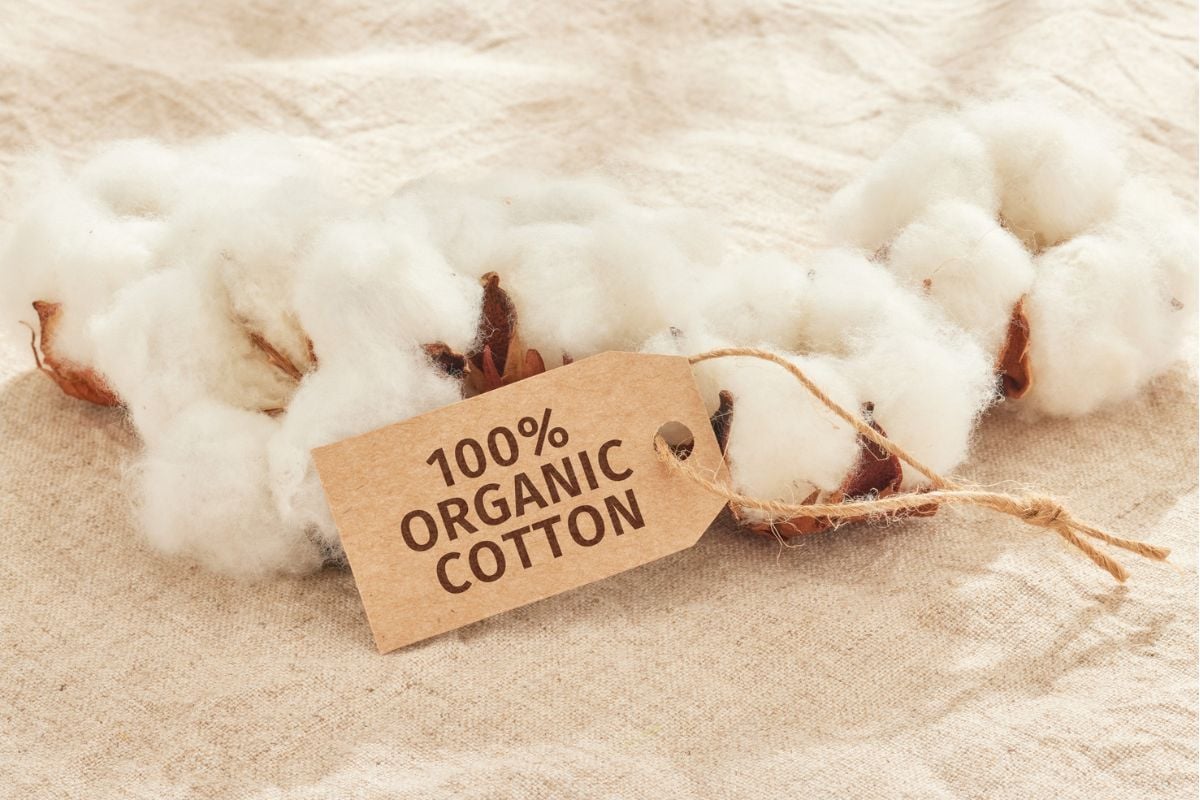
- Natural fibers like cotton, jute, and hemp
- Wood and bamboo
- Some food waste and organic matter
What Does Compostable Mean?
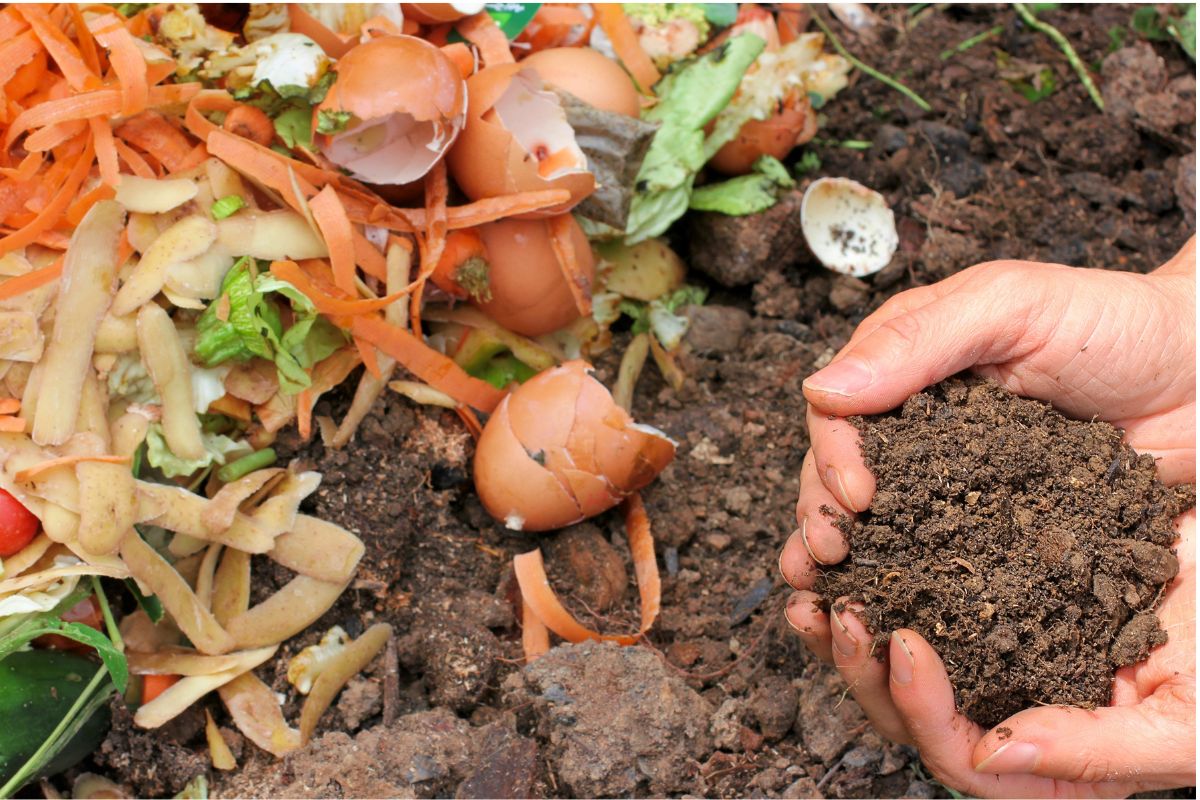
Alternatively, “compostable” means the material can break down into natural elements within a specific time frame in a composting environment—usually within 90–180 days. The end product is compost, a nutrient-rich organic substance that can improve soil health (source).
Unlike general biodegradable materials, compostable products must meet strict testing and materials ASTM standards, like ASTM D6400 for plastics and ASTM D6868 for coatings (and EN 13432 in Europe). These standards ensure that the materials completely decompose without leaving toxic residue, producing only carbon dioxide, water, and biomass.
Composting can occur in two main settings:
- Home compostable: Breaks down in backyard compost bins at lower temperatures.
- Commercial composting: Requires industrial composting facilities that provide high heat, controlled humidity, and microbial activity for faster decomposition (source).
Download The Free Guide!
5 Powerful Steps To A Non-Toxic Home
Join our informed consumer community and get our free guide the “5 Powerful Steps To A Non-Toxic Home”.
How Does Compostable Plastic Work?
1. Heat and Microorganisms
In industrial composting facilities, high temperatures (around 140°F or 60°C) and specific microorganisms accelerate the breakdown process.
2. Controlled Conditions
A composting environment maintains the ideal balance of moisture and oxygen to promote complete decomposition. This is why compostable plastic often needs to be processed in commercial composting centers rather than home bins.
3. End Product
After decomposition, only carbon dioxide, water, inorganic compounds, and biomass remain—essentially turning waste into useful organic waste that enriches soil.
What Are Compostable Materials?
- Food scraps and organic waste
- Yard trimmings
- Compostable bags and utensils (PLA-based)
- Paper towels and uncoated paper plates
- Coffee grounds and filters
- Cornstarch-based packaging
- Certified home compostable films
Which Is Better: Compostable Or Biodegradable?
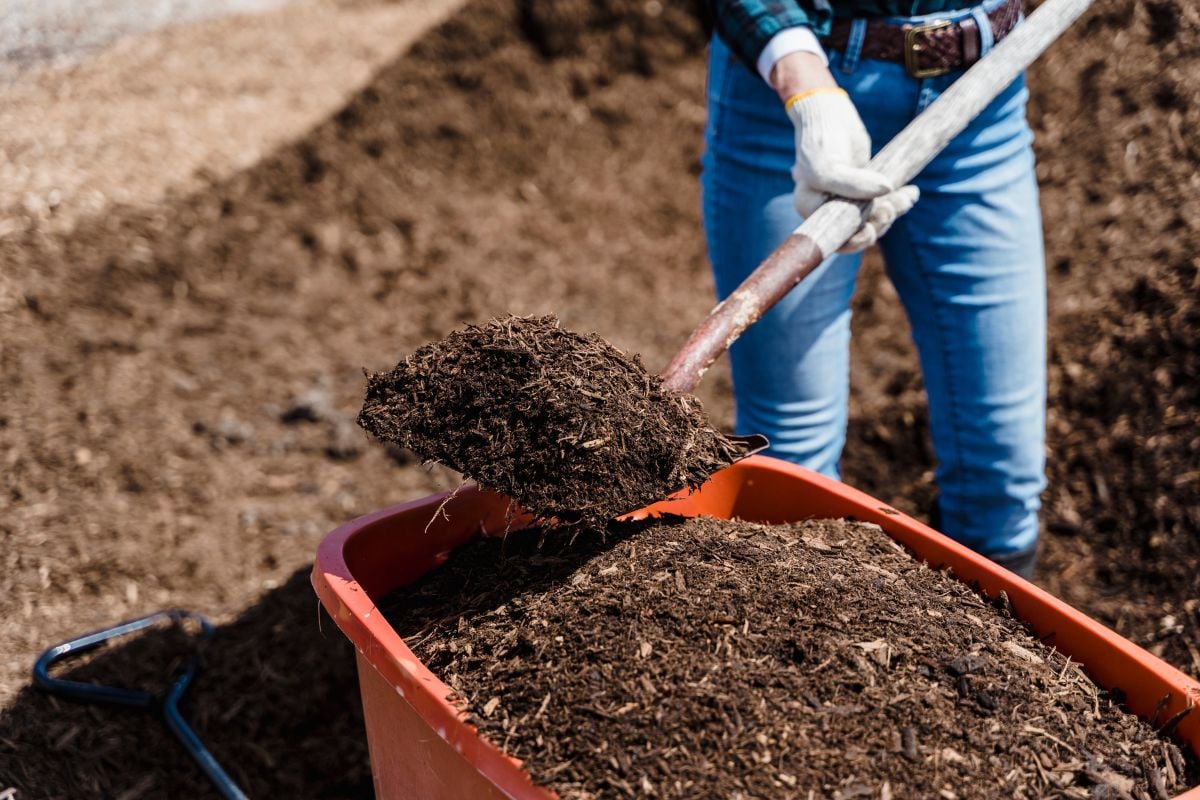
When comparing compostable vs biodegradable, compostable products are generally the more sustainable choice. This is because compostable materials are held to stricter standards and break down into beneficial compost within a specific time frame—without leaving harmful residues.
By contrast, biodegradable products can vary widely in how long they take to decompose and what they leave behind. Some may not fully break down unless processed in industrial composting facilities, while others can produce microplastics that harm the environment.
Ultimately, compostable products offer a clearer path toward sustainability—especially when paired with proper waste management systems that include compost facilities and community access to commercial composting.
That said, it’s important to always read labels carefully. Certifications and test standards like ASTM D6400 and ASTM D6868 (and EN 13432 in Europe) provide more trustworthy indicators than vague marketing claims. Ultimately, sustainability isn’t just about choosing products with green labels—it’s about understanding how they impact the environment throughout their entire life cycle.
Conclusion: Is Compostable Or Biodegradable A More Eco-Friendly Choice?
Compostable Materials Are Generally More Eco-Friendly Than Biodegradable Ones Because They Break Down Faster, Leave No Toxic Residue, And Create Nutrient-Rich Soil Under Proper Composting Conditions.
In conclusion, understanding the differences between the terms biodegradable and compostable can help you make more informed, sustainable choices. While both are designed to break down over time, biodegradable products vary widely in their length of time to decompose and may still leave toxic residue. Compostable materials, on the other hand, break down within a specific time frame in a proper composting environment, turning into beneficial carbon dioxide, water, inorganic compounds, and biomass. They must also meet standards such as ASTM D6868 or the European compostability standard EN 13432, set by the American Society for Testing and Materials and the European Committee for Standardization, respectively.
In most cases, compostable products offer the more eco-friendly option, especially when compost facilities or home compostable systems are available. By recognizing how each material works and where each belongs—recycling bin, trash, or compost—you can help reduce waste, avoid greenwashing in advertising, and support a more sustainable future. Here are some straightforward tips for recycling at home.
Another meaningful way to reduce personal environmental pollution is by choosing Crunchi non-toxic makeup and skincare products. Crunchi prioritizes sustainability not only through safer ingredients but also through thoughtful packaging choices. Their recyclable materials include shipping boxes, glass containers, metal components, and paperboard cartons. In addition, some of those materials—such as certain paperboard and packing paper—are biodegradable, helping further reduce environmental impact (source).
For help in making smart and informed purchasing decisions, receive immediate access to my free emails with exclusive content, special savings, and motivation to keep you on track with your health goals!
Download The Free Guide!
5 Powerful Steps To A Non-Toxic Home
Join our informed consumer community and get our free guide the “5 Powerful Steps To A Non-Toxic Home”.






Before commenting, please read our Comment Policy.